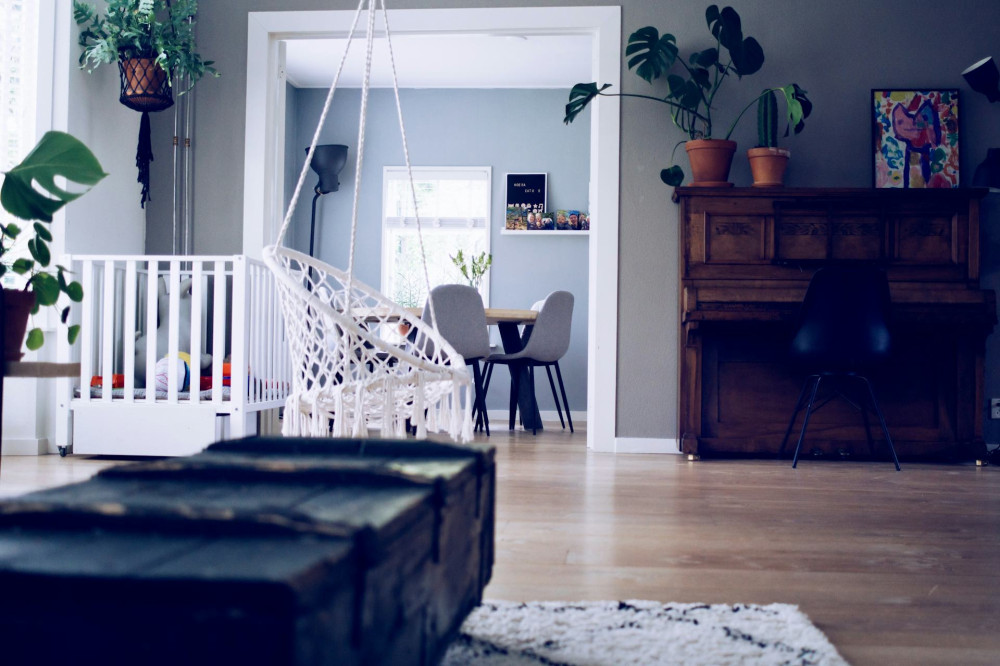
The kids’ room that works – for play, learning, and rest

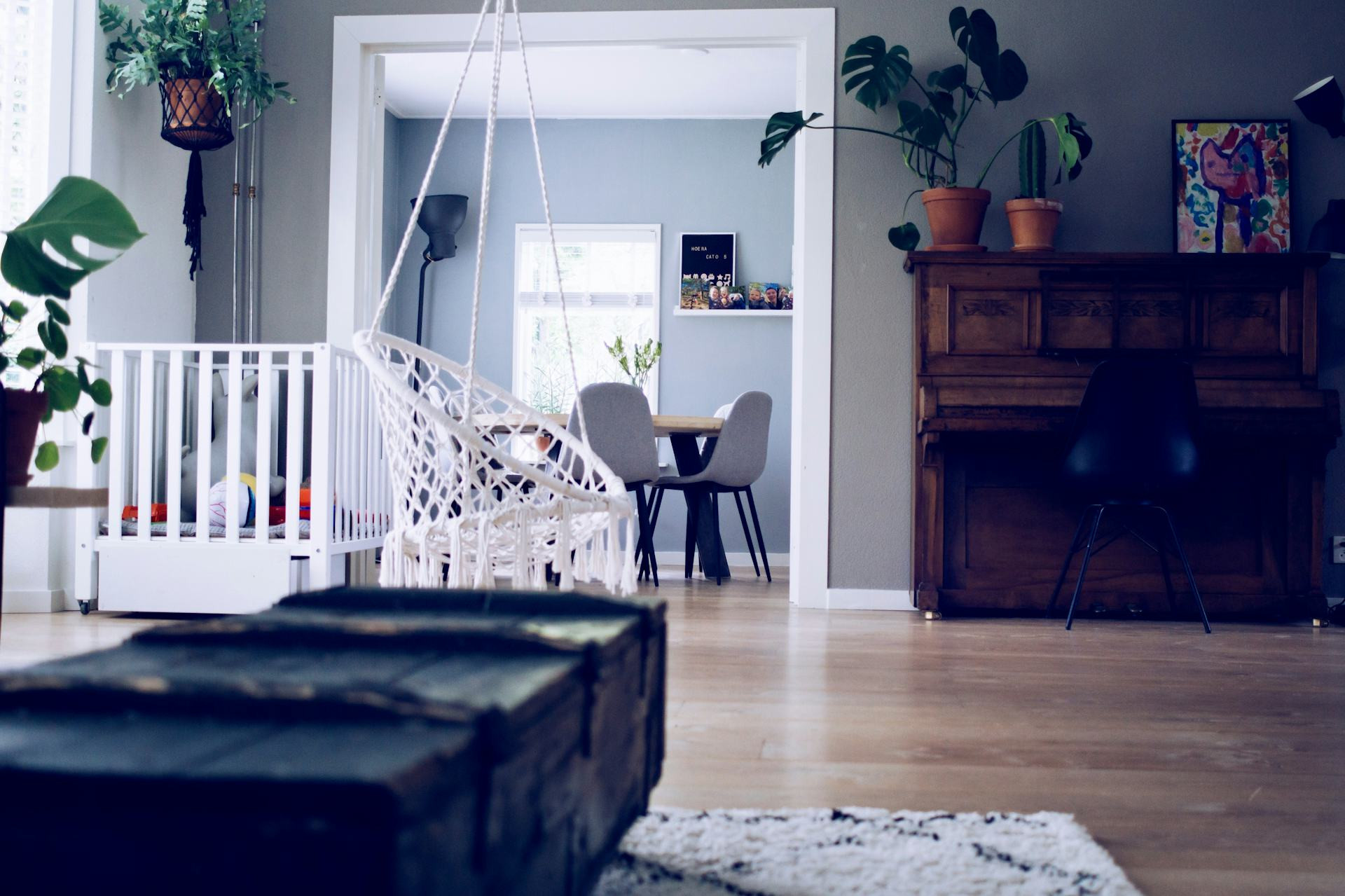
The kids’ room that works – for play, learning, and rest
A child’s room has to do it all. It’s a space for play, learning, rest, and comfort – a place where kids can feel safe and express who they are. For many parents, the challenge is creating a room that’s both practical and inspiring, and that can grow with the child over time. Here’s how to design a kids’ room that truly works for everyday life.
Create zones for different activities
A well-functioning kids’ room is divided into zones that support different needs. This helps children focus when it’s time to rest and unleash their imagination when it’s time to play.
- The sleep zone should be calm and free from distractions. Choose soft, soothing colors around the bed and make sure the room can be darkened at night to support healthy sleep habits.
- The play area can be more colorful and flexible. Use rugs, cushions, and storage bins so toys can be easily put away when it’s time for something else.
- The learning zone becomes more important as your child starts school. A small desk with good lighting and space for books and art supplies can make homework and creative projects more inviting.
By thinking in zones, you can create a room that feels organized even when playtime gets a little wild.
Colors and materials that calm and inspire
Colors have a big impact on mood and energy. Choose shades that fit your child’s age and personality. Younger kids often thrive in warm, gentle tones, while older children may enjoy bolder colors that reflect their individuality.
Natural materials like wood, cotton, and wool create a cozy, grounded atmosphere and are pleasant to touch. Try to limit plastic surfaces and overly bright contrasts, which can feel overstimulating. A few well-chosen posters, a corkboard, or a mini gallery of your child’s artwork can add personality without clutter.
Smart storage for everyday life
Without good storage, even the best-designed kids’ room can quickly become chaotic. Make it easy for your child to keep things tidy by choosing solutions that match their height and abilities.
- Use open bins and baskets for toys so kids can find and put things away on their own.
- Shelves and cabinets are great for books, games, and items that don’t need to be out all the time.
- Under the bed, use drawers or rolling boxes to make the most of the space.
A helpful trick is to assign specific spots for favorite toys and daily essentials – it builds structure and makes cleanup part of the routine.
Light and air – two essentials
Lighting plays a huge role in both play and learning. Make sure there’s plenty of natural light during the day, and add layered lighting: a ceiling light for general use, a reading lamp by the bed, and a desk lamp for focused tasks. In the evening, switch to softer light to help your child wind down.
Good air quality matters too. Kids’ rooms can get warm and stuffy, especially if they’re small. Open windows daily, and consider adding easy-care plants like a peace lily or snake plant to help freshen the air.
Læs også:

A room that grows with your child
Children grow fast, and a room that works for a preschooler won’t necessarily suit a tween. Plan for flexibility from the start. Choose furniture that can adapt – like an extendable bed or an adjustable-height desk.
Keep the big pieces neutral, and let color and personality shine through in bedding, wall art, and accessories. That way, it’s easy to update the look as your child’s interests change.
A space that reflects your child
Functionality is important, but a kids’ room should also feel like it truly belongs to your child. Involve them in the process – let them pick colors, themes, or small details that make the space their own. This sense of ownership helps them feel comfortable and proud of their room.
A kids’ room that works isn’t about following a specific style. It’s about finding the right balance between play, learning, and rest – and creating a space where your child can be themselves.
Læs også: