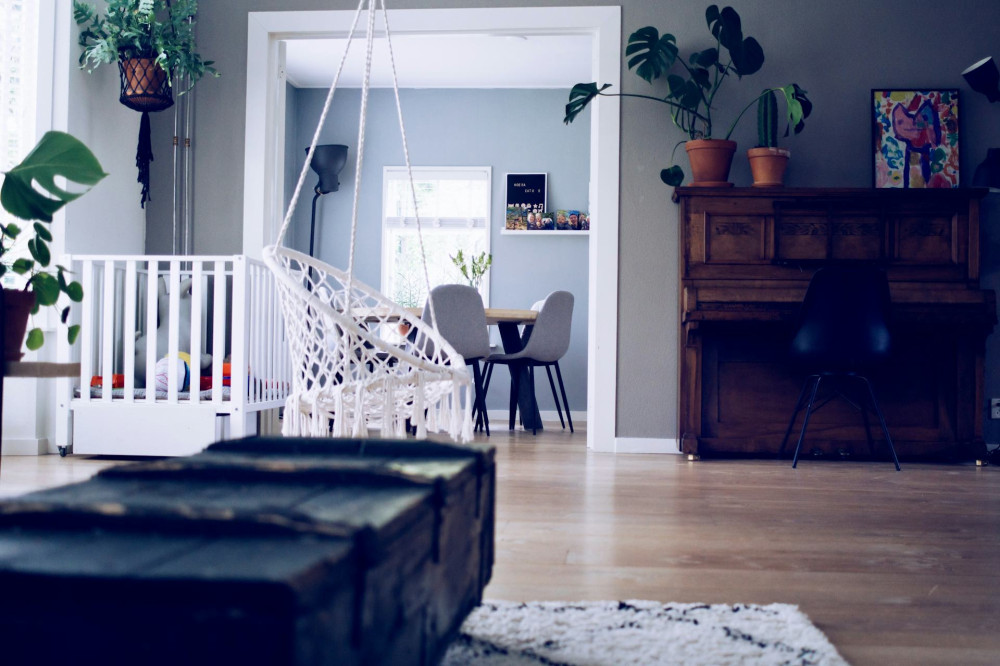
Lighting Your Home: Plan for Function, Mood, and Flexibility

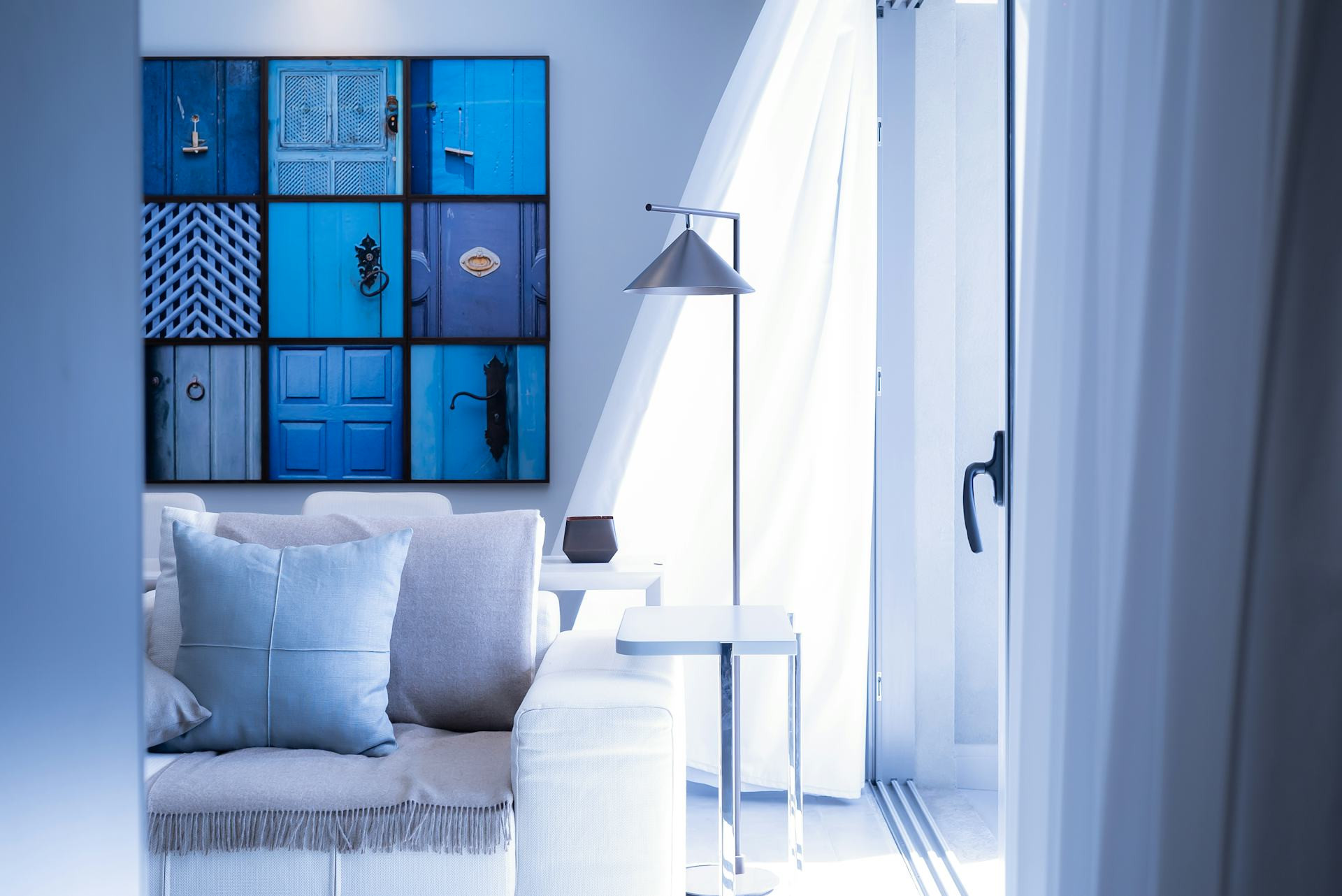
Lighting Your Home: Plan for Function, Mood, and Flexibility
Lighting is one of the most powerful tools in home design—and one of the most overlooked. It shapes how a space looks, feels, and functions every day. A thoughtful lighting plan can transform a flat, uninspired room into one that feels warm, dynamic, and practical. Here’s how to plan your home lighting with a focus on function, mood, and flexibility.
Start with Function – Light for the Way You Live
Every room serves a purpose, and your lighting should support that purpose. Think about what you do in each space and where you need the most illumination.
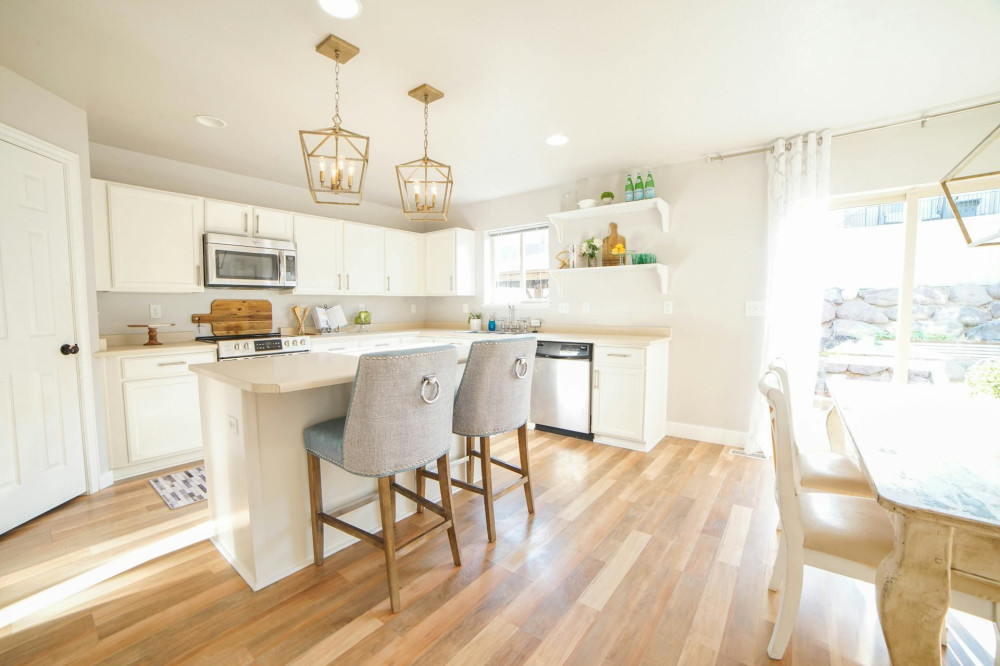
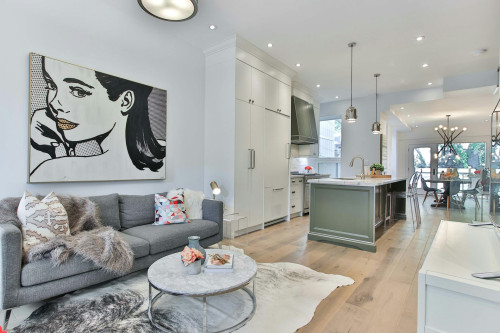
- Kitchen: Bright, focused light is essential for cooking and prep work. Recessed lights or pendants with clear, white light work well over counters and the stove. Over the dining area, choose a fixture with a warmer tone to create a cozy atmosphere for meals.
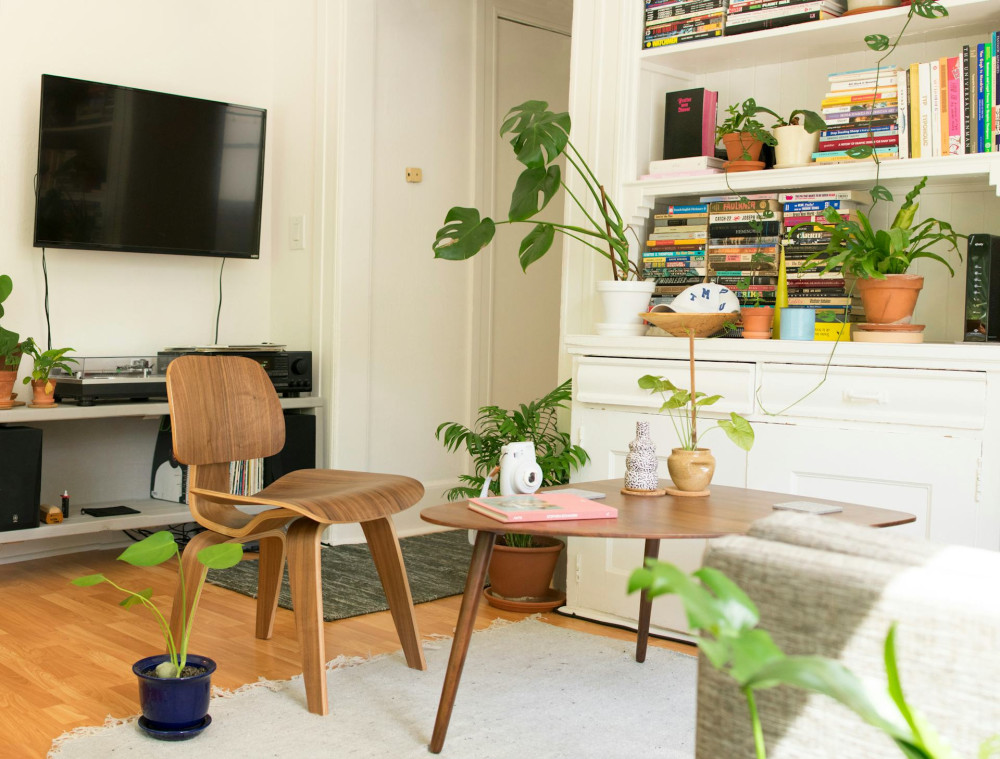
- Living Room: This space needs versatility. Combine overhead lighting with floor and table lamps so you can switch between reading, watching TV, or relaxing with friends.
- Bedroom: Aim for soft, warm light that encourages rest. Add reading lamps by the bed and brighter light near the closet or dressing area.
- Bathroom: You’ll want bright, even light around the mirror for grooming, but also a softer option for early mornings or late nights.
When planning, think in layers: ambient lighting for general illumination, task lighting for specific activities, and accent lighting for atmosphere. Layering gives you control and balance.
Set the Mood with Light and Shadow
Lighting isn’t just about visibility—it’s about emotion. The right light can completely change the mood of a room. Warm light (around 2700 Kelvin) feels inviting and calm, while cooler light (4000 Kelvin and above) is energizing and ideal for workspaces.
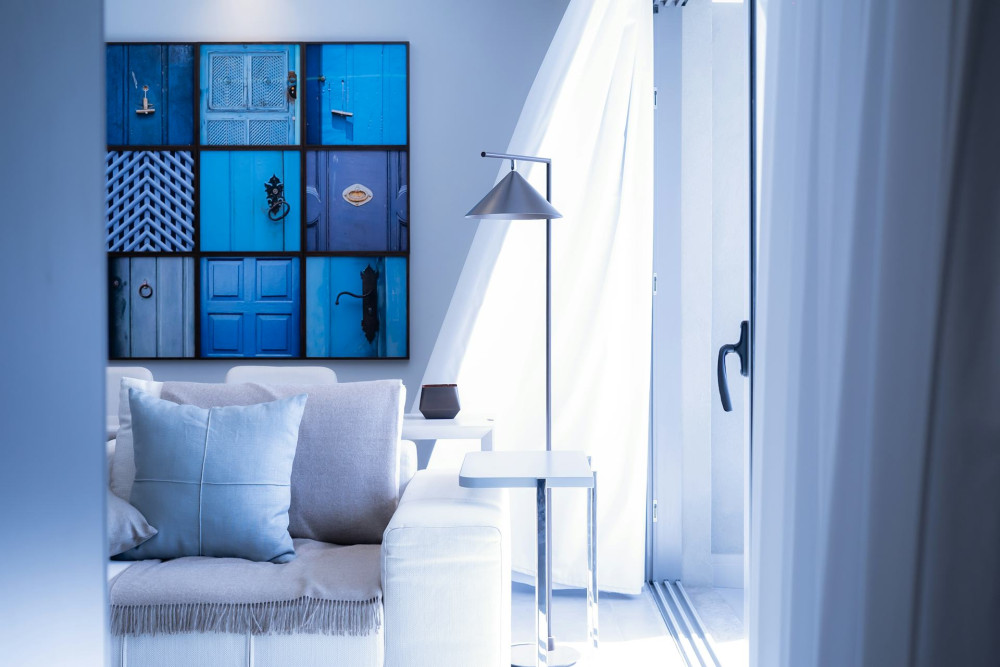
Use multiple light sources in each room. A mix of direct and indirect light adds depth and dimension. For example, an uplight that bounces light off the ceiling can make a room feel larger, while a lamp with a fabric or frosted glass shade diffuses light for a soft, pleasant glow.
Consider how light interacts with color and materials. Dark walls absorb light, while lighter surfaces reflect it. Wood and textiles add warmth, while metal and glass create a sleek, modern feel.
Læs også:

Build in Flexibility
Your home’s lighting needs change throughout the day—and the year. Flexibility is key. Dimmable fixtures let you adjust brightness to suit the moment, and smart bulbs or systems allow you to shift color temperature from cool to warm with a tap or voice command.
Zoning is another smart strategy. Divide a room into lighting zones—like a reading nook, dining area, or workspace—so you can control each independently. That way, you can light only the areas you’re using without affecting the rest of the room.
If you want to take it further, consider smart lighting that integrates with your home system. You can create presets like “morning light,” “movie night,” or “dinner party” and switch between them effortlessly.
Think About Energy Efficiency
Modern LED bulbs use far less energy than traditional incandescent bulbs and last much longer. They come in a wide range of brightness levels and color temperatures, so you can find the right match for every space.
Look for bulbs with a high color rendering index (CRI above 90) to ensure colors in your home appear natural and vibrant. This is especially important in living areas and kitchens, where you spend the most time.
Make Lighting Part of Your Décor
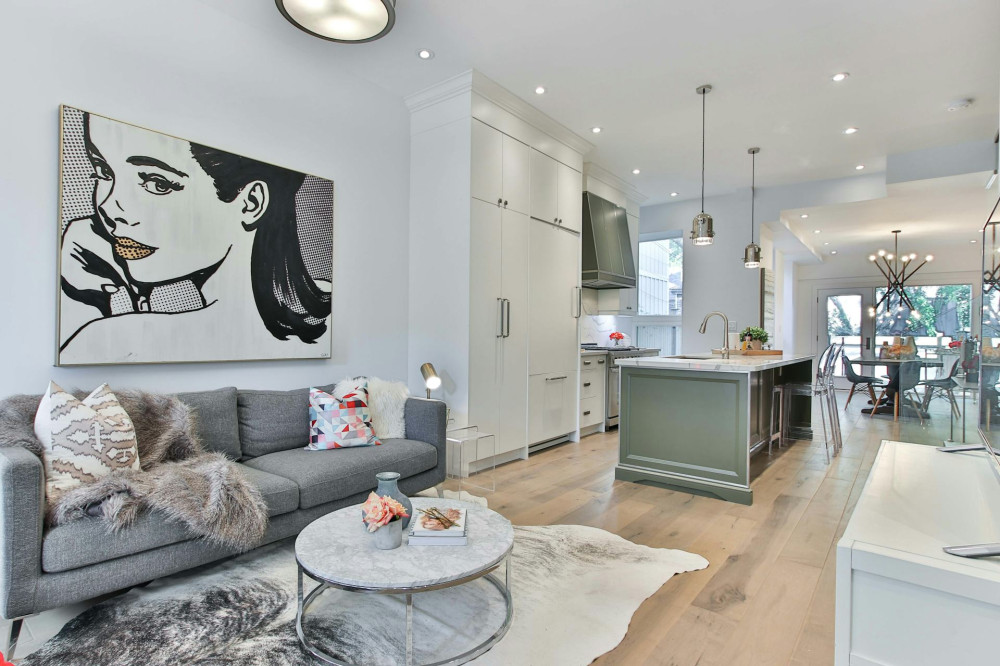
Light fixtures aren’t just functional—they’re design elements in their own right. A statement pendant over the dining table can serve as a visual centerpiece, while small wall sconces can highlight artwork, plants, or architectural details.
Think of lighting as part of your furniture plan. Fixtures should be both practical and beautiful. Choose designs that complement your home’s style, but don’t be afraid to mix materials and shapes for personality and character.
Plan the Whole Picture – and Experiment
Start with an overall lighting plan, but stay flexible. Light changes with time of day, season, and even your furniture layout. Experiment with different bulbs, placements, and intensities to see how they affect the atmosphere.
A good rule of thumb: treat lighting as something that evolves with your home. Your needs will change—and your lighting should be ready to change with them.
Læs også: