Your Style, Your Statement: Build a Sustainable Wardrobe Instead of Chasing Fast Trends


Your Style, Your Statement: Build a Sustainable Wardrobe Instead of Chasing Fast Trends
The fashion world moves faster than ever. New collections drop every week, and social media feeds overflow with “must-haves” that are quickly replaced by the next big thing. But amid the constant churn, a counter-movement is growing: the desire to build a wardrobe that lasts — in both style and quality. A sustainable wardrobe isn’t about giving up fashion; it’s about making conscious choices that reflect your personality and values.
Why Sustainability in Your Closet Matters
The fashion industry is one of the most resource-intensive in the world. Producing cotton requires enormous amounts of water, synthetic fabrics shed microplastics into our oceans, and global shipping adds to carbon emissions. Meanwhile, millions of tons of clothing end up in U.S. landfills every year — often after being worn only a handful of times.
By thinking sustainably about your wardrobe, you can help change that pattern. It’s not just about protecting the environment; it’s also about creating a calmer, more intentional relationship with consumption. When you choose quality over quantity, you get clothes that last longer — and that you actually enjoy wearing again and again.
Læs også:



Know Your Style — and Own It
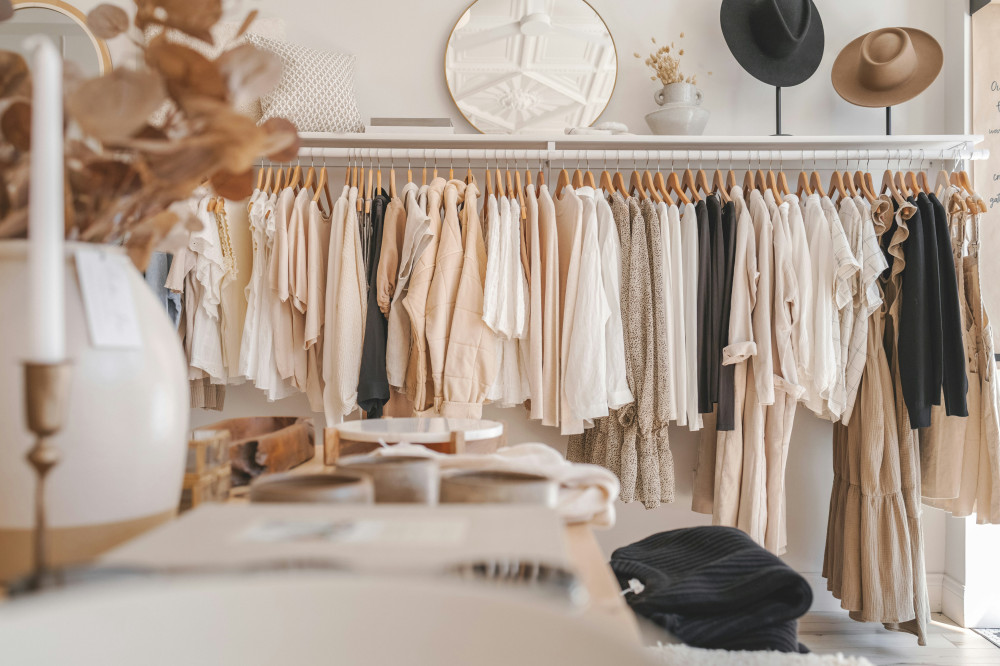
A sustainable wardrobe starts with self-awareness. Instead of letting trends dictate your choices, ask yourself: What do I feel confident in? Which colors, fabrics, and silhouettes do I always come back to?
Try creating a mood board with outfits that inspire you, or go through your closet to identify the pieces you wear most. This helps you define your personal style — and makes it easier to say no to impulse buys that don’t fit your aesthetic.
When you know your style, your clothes become a statement: an expression of who you are, not what the fashion industry tells you to be.
Buy Less — But Better
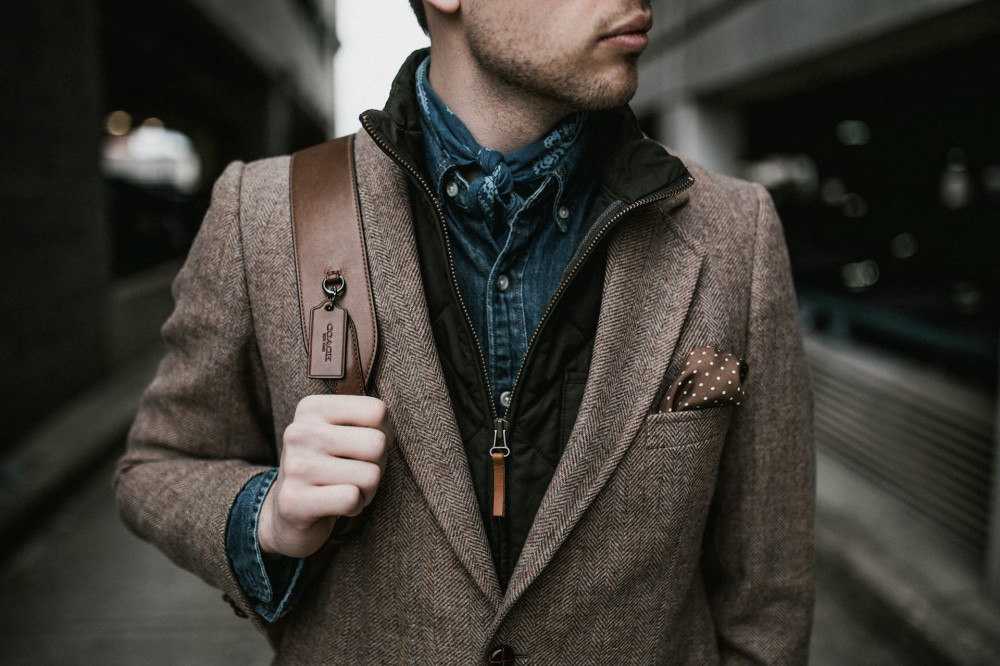
It may sound simple, but the most sustainable clothes are the ones you already own. When you do need something new, focus on quality and timeless design. A well-made pair of jeans, a crisp white shirt, or a wool coat can last for years if you care for them properly.
- Check the fabric: Natural fibers like wool, linen, and organic cotton tend to last longer and can be repaired more easily.
- Look at the craftsmanship: Strong seams, sturdy buttons, and a good fit are signs of quality.
- Avoid impulse buys: Wait a few days before purchasing — if you’re still thinking about it, it’s probably worth it.
By investing in fewer, better pieces, you’ll save money and resources in the long run.
Give Your Clothes a Longer Life
Sustainability doesn’t stop at the checkout counter — it’s also about how you care for what you own. Small habits can make a big difference:
- Wash less and in cold water: It saves energy and helps fabrics last longer.
- Air out clothes instead of washing after every wear.
- Repair instead of replace: A missing button or small tear can easily be fixed.
- Swap or resell: Clothes you no longer wear can find new life with someone else.
Many U.S. cities now have clothing swap events, repair workshops, or local tailors who can help you extend the life of your wardrobe — and maybe even teach you a new skill.
Thrift, Vintage, and Circular Fashion
Thrifting isn’t just for bargain hunters anymore — it’s become a cornerstone of modern, conscious style. Vintage shops, online resale platforms, and clothing swap apps make it easy to find unique pieces with character and history.
At the same time, more brands are embracing circular fashion — designing garments that can be recycled, repurposed, or easily disassembled when worn out. Supporting these initiatives helps push the industry toward a more responsible future.
Style with Intention
Building a sustainable wardrobe isn’t about perfection; it’s about progress. It might mean choosing a local brand, buying secondhand, or simply pausing before you click “add to cart.”
When you choose clothes that last — in both quality and expression — you send a message that style doesn’t have to be fleeting. Your wardrobe becomes a personal statement of mindfulness, authenticity, and respect for both people and the planet.
Læs også: