Loose or Fitted? Create the Look That Suits You

Loose or Fitted? Create the Look That Suits You
Fashion isn’t just about following trends—it’s about finding what makes you feel confident and comfortable. One of the most basic style choices you make every day is whether to go for a loose or fitted look. Both have their strengths, and the right choice depends on your body shape, your personality, and the occasion. Here’s how to create a look that feels like you—whether you lean toward relaxed silhouettes or sleek, tailored lines.
The Loose Look – Comfort Meets Effortless Style
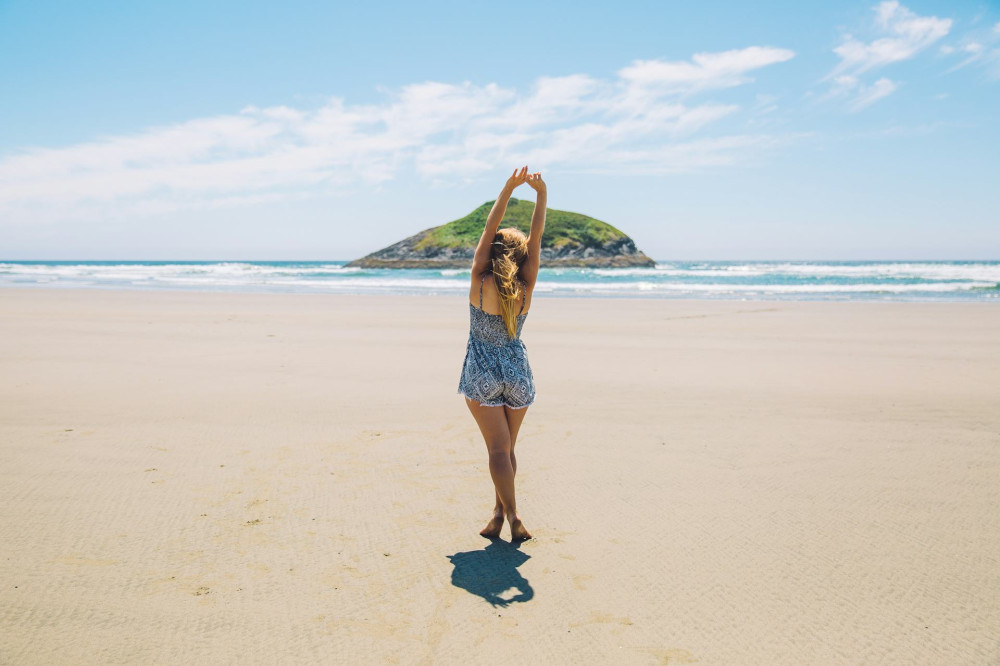
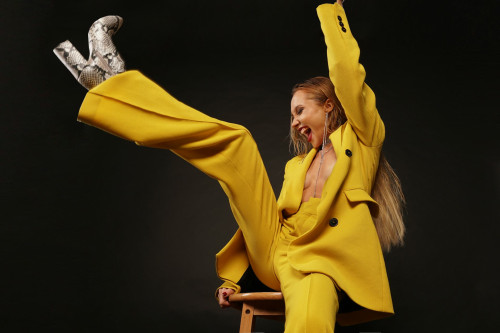
Loose clothing is often associated with ease and freedom. It allows for movement and gives off a laid-back, modern vibe. Oversized shirts, wide-leg pants, and boxy jackets have moved far beyond streetwear—they’re now staples in everyday wardrobes across the U.S.
A loose look can be both chic and casual, depending on how you style it. Try pairing a flowy blouse with slim jeans for balance, or go for wide trousers with a cropped top for a more fashion-forward feel.
Benefits of the loose look:
- Comfortable and breathable—perfect for warm weather or long days on the go.
- Creates a relaxed, effortless aesthetic.
- Can downplay areas you’d rather not highlight without sacrificing style.
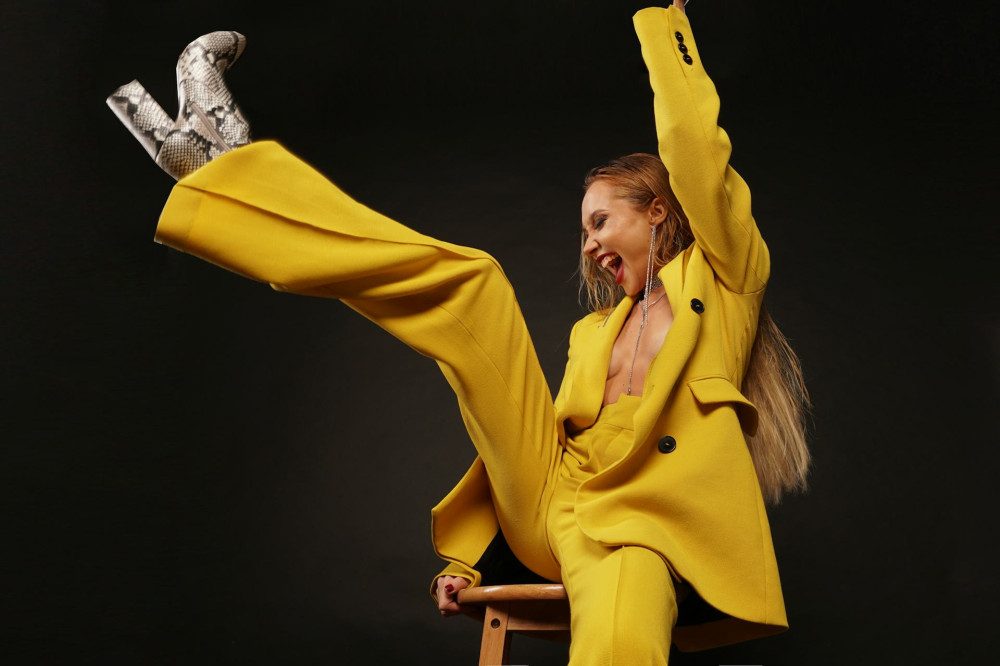
The key is proportion. Too much volume can overwhelm your frame, so balance is essential. Combine a loose piece with something more fitted—like a tailored blazer over a flowy dress or a fitted tank with wide-leg pants—to keep your outfit intentional and flattering.
The Fitted Look – Confidence and Structure
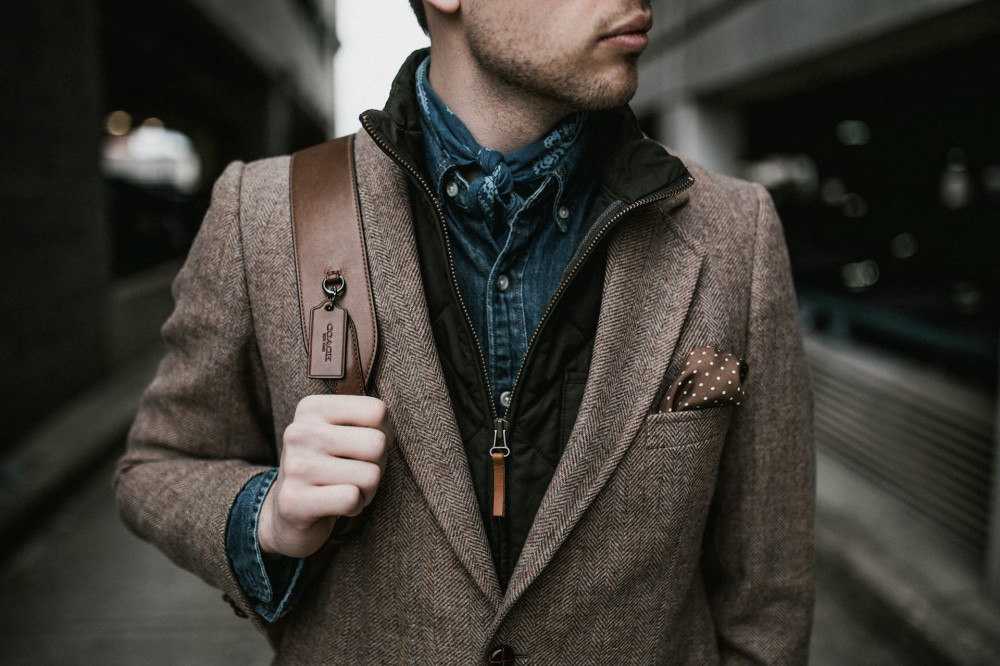
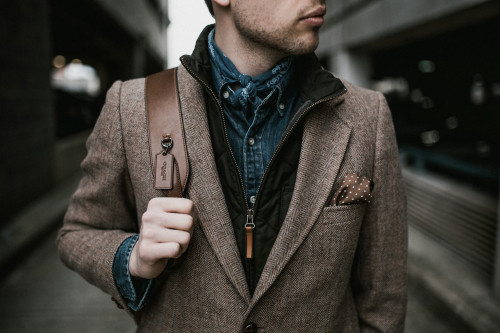
A fitted look highlights your shape and can project confidence and polish. It’s not about squeezing into something too tight—it’s about choosing pieces that follow your body’s natural lines in a flattering way.
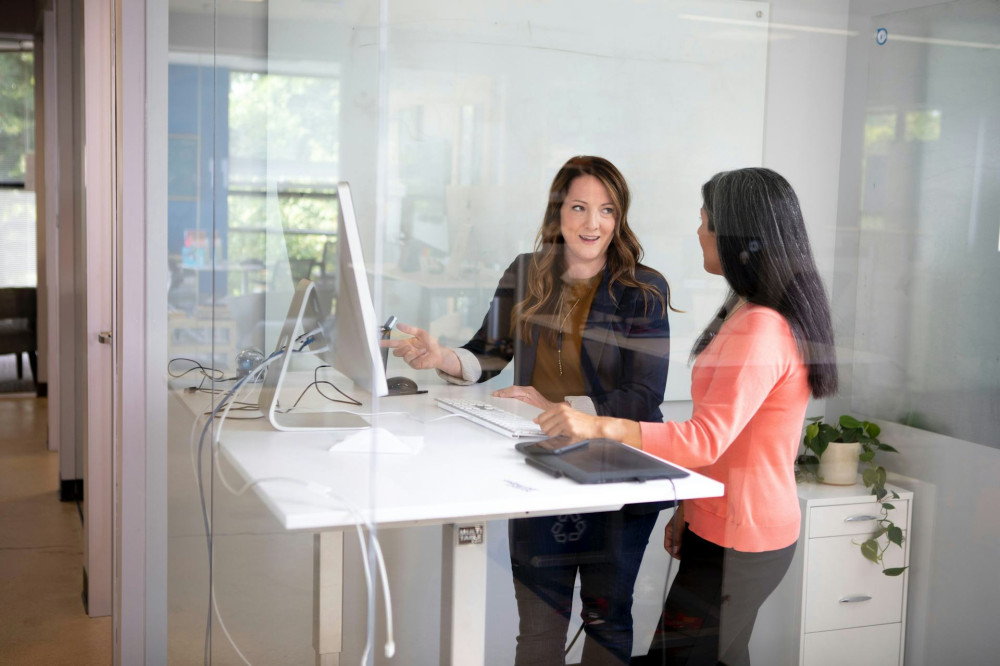
Think of a well-cut blazer, stretch denim, or a dress that defines the waist. These pieces create a sharp, put-together silhouette that works beautifully for professional settings or evenings out when you want to make a strong impression.
Benefits of the fitted look:
- Accentuates your natural shape.
- Offers a structured, classic appearance.
- Works well for layering under jackets and coats.
When choosing fitted clothing, pay attention to fabric. Stretch materials like cotton blends with elastane or jersey knits allow for movement, while sturdier fabrics like wool or denim provide shape and support.
Finding Balance – The Best of Both Worlds
Most wardrobes work best when they include both loose and fitted pieces. The magic happens when you mix them. A loose shirt can be cinched with a belt to define your waist, while a fitted top can be softened with a relaxed blazer or wide-leg pants.
Think about proportions: if you’re wearing something loose on top, go more fitted on the bottom—and vice versa. This creates harmony and gives your outfit a thoughtful, balanced look.
Fabric and Movement – The Hidden Design Element
How clothing feels and moves depends largely on the fabric. Lightweight materials like linen, viscose, and silk drape beautifully and suit looser cuts. Structured fabrics like denim, wool, and stretch cotton hold their shape and are ideal for fitted designs.
When trying on clothes, move around—sit, stretch, walk. That’s the best way to know if the fit truly works for your lifestyle and comfort level.
Læs også:

Your Look, Your Rules
There are no strict rules about what “suits” you best. The most important thing is that you feel good in what you wear. Some days call for a relaxed, easy outfit; others for something more tailored and sharp. Fashion should be a way to express yourself—not a limitation.
So experiment, play with contrasts, and find the balance that makes you feel like your best self—whether that’s loose, fitted, or somewhere perfectly in between.
Læs også: