Herbs and spices give plant-based food flavor, character, and freshness

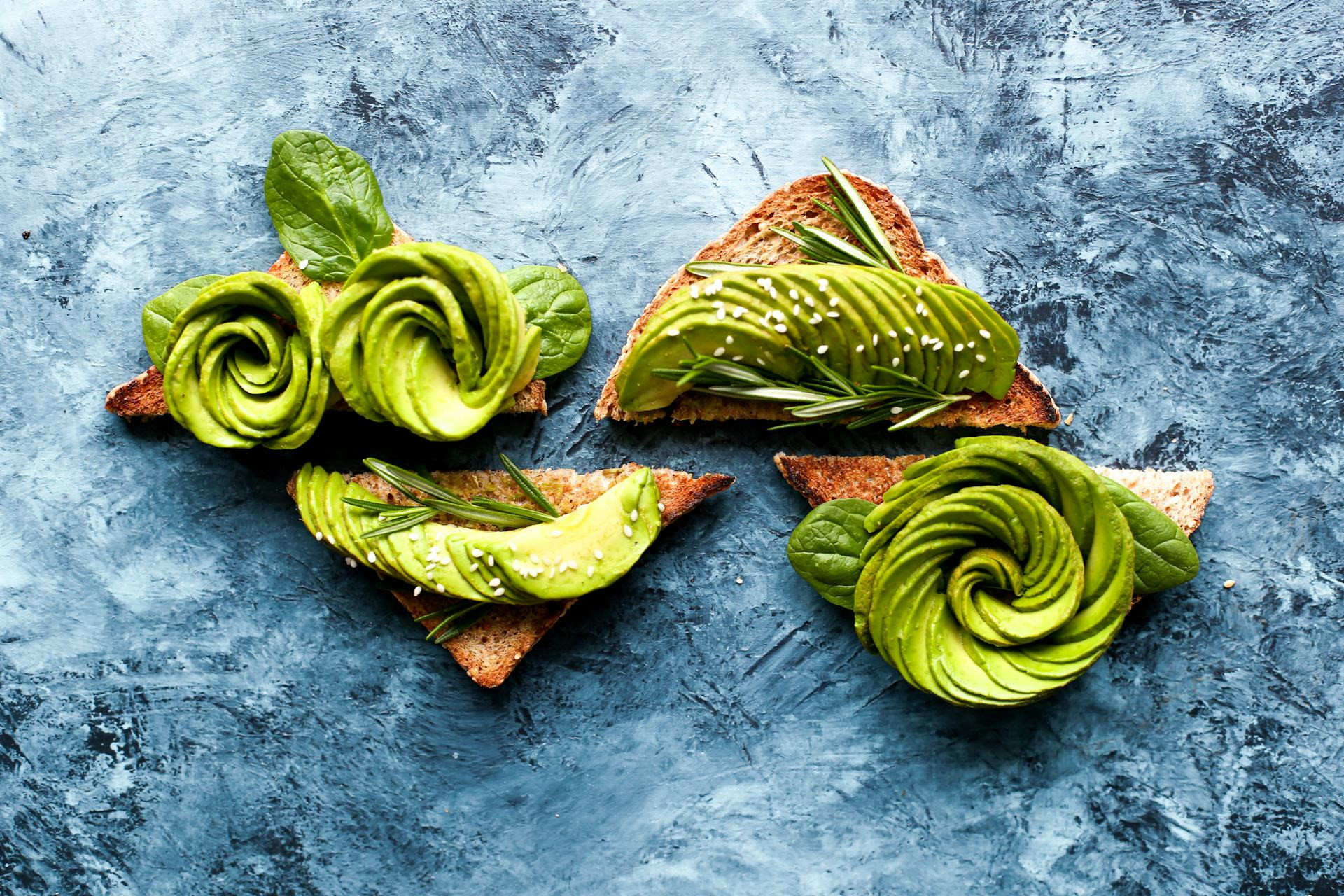
Herbs and spices give plant-based food flavor, character, and freshness
Plant-based eating is growing rapidly across the United States — and it’s no longer synonymous with bland salads or flavorless substitutes. The secret to making vegetables, legumes, and grains shine lies in the use of herbs and spices. They can transform a simple lentil stew into a fragrant meal, add brightness to salads, and bring depth to plant-based proteins. Here’s how you can use herbs and spices to create flavor, character, and freshness in your plant-based kitchen.
Flavor as the driving force in plant-based cooking
When you cut back on meat, you lose a natural source of umami and richness — two elements that often carry flavor in traditional dishes. That’s why herbs and spices become even more important in plant-based cooking. They add complexity, aroma, and variety, making meals satisfying and full of life.
A good starting point is to think in flavor profiles: fresh and green (like parsley, mint, lemon), warm and spicy (like cumin, paprika, chili), or deep and aromatic (like rosemary, thyme, smoked spices). By combining different profiles, you can create balance and excitement in your dishes.
Fresh herbs – nature’s green flavor boosters
Fresh herbs are like little bursts of flavor that can elevate even the simplest dish. They add fragrance, color, and freshness.
- Basil pairs beautifully with tomato-based dishes, pasta salads, and plant-based pizzas.
- Cilantro brings a bright, citrusy note to Mexican, Thai, and Indian-inspired meals.
- Dill and chives add a clean, fresh touch to potatoes, cold salads, and plant-based seafood alternatives.
- Mint works in both savory and sweet dishes — from couscous salads to fruit desserts.
A good tip is to add fresh herbs at the end of cooking so they keep their aroma and color. You can also blend them into dressings, pestos, or marinades for a more intense flavor.
Læs også:

Dried spices – the foundation of depth and warmth
While fresh herbs bring brightness, dried spices create depth and warmth. They’re essential when you want to build flavor from the ground up.
- Cumin, coriander, and turmeric form the base of many Indian and Middle Eastern dishes.
- Smoked paprika and chili flakes add body and a subtle smokiness that can replace the flavor often associated with meat.
- Cinnamon, cardamom, and cloves can be used in both sweet and savory dishes — from lentil stews to baked goods.
Try toasting your spices briefly in a dry pan before using them. This releases their oils and intensifies their flavor.
Balance acidity, sweetness, and umami
Herbs and spices do a lot, but the full flavor experience comes when you also think about balance. Acidity from lemon, lime, or vinegar can lift a heavy dish, while sweetness from roasted vegetables or a touch of maple syrup can round out the flavor.
To add umami — that deep, satisfying taste — use ingredients like soy sauce, miso, mushrooms, sun-dried tomatoes, or nutritional yeast. Combined with herbs and spices, they create a rich and complex flavor that makes plant-based food both hearty and exciting.
Explore global flavors
One of the great advantages of plant-based cooking is how easily it adapts to different cuisines. By drawing inspiration from around the world, you can expand your spice collection and discover new favorites.
- Middle East: Try za’atar, sumac, and fresh mint in salads and wraps.
- India: Use garam masala, curry leaves, and fresh cilantro in stews and curries.
- Mexico: Combine cumin, chili, and lime in tacos and bean dishes.
- Mediterranean: Experiment with oregano, rosemary, and lemon in roasted vegetables and grain bowls.
Exploring spices isn’t just about taste — it’s also a way to make cooking more creative and fun.
Make herbs and spices part of everyday cooking
It doesn’t take much to integrate herbs and spices into your daily meals. Start with a small selection of basics and expand as you get more comfortable experimenting.
You can grow fresh herbs on a sunny windowsill, mix your own spice blends, or preserve leftover herbs in oil or ice cubes for later use. This not only reduces food waste but also ensures you always have flavor at hand.
Flavor that makes a difference
Herbs and spices aren’t just accessories — they’re the key to making plant-based food vibrant, varied, and full of character. With a bit of curiosity and a willingness to experiment, you can create dishes that satisfy your taste buds and nourish your body.
In the end, it’s all about finding your own flavor balance — and discovering that vegetables, legumes, and grains can be anything but boring when paired with nature’s own flavor makers.
Læs også: