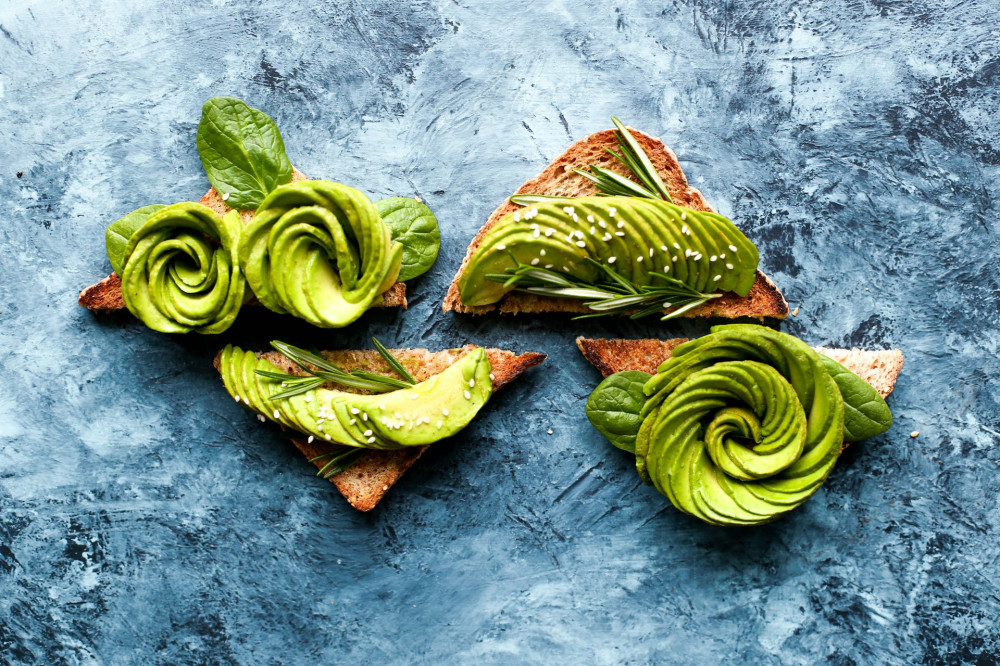
Eat with the Seasons: Plan Your Meals Around Seasonal Produce

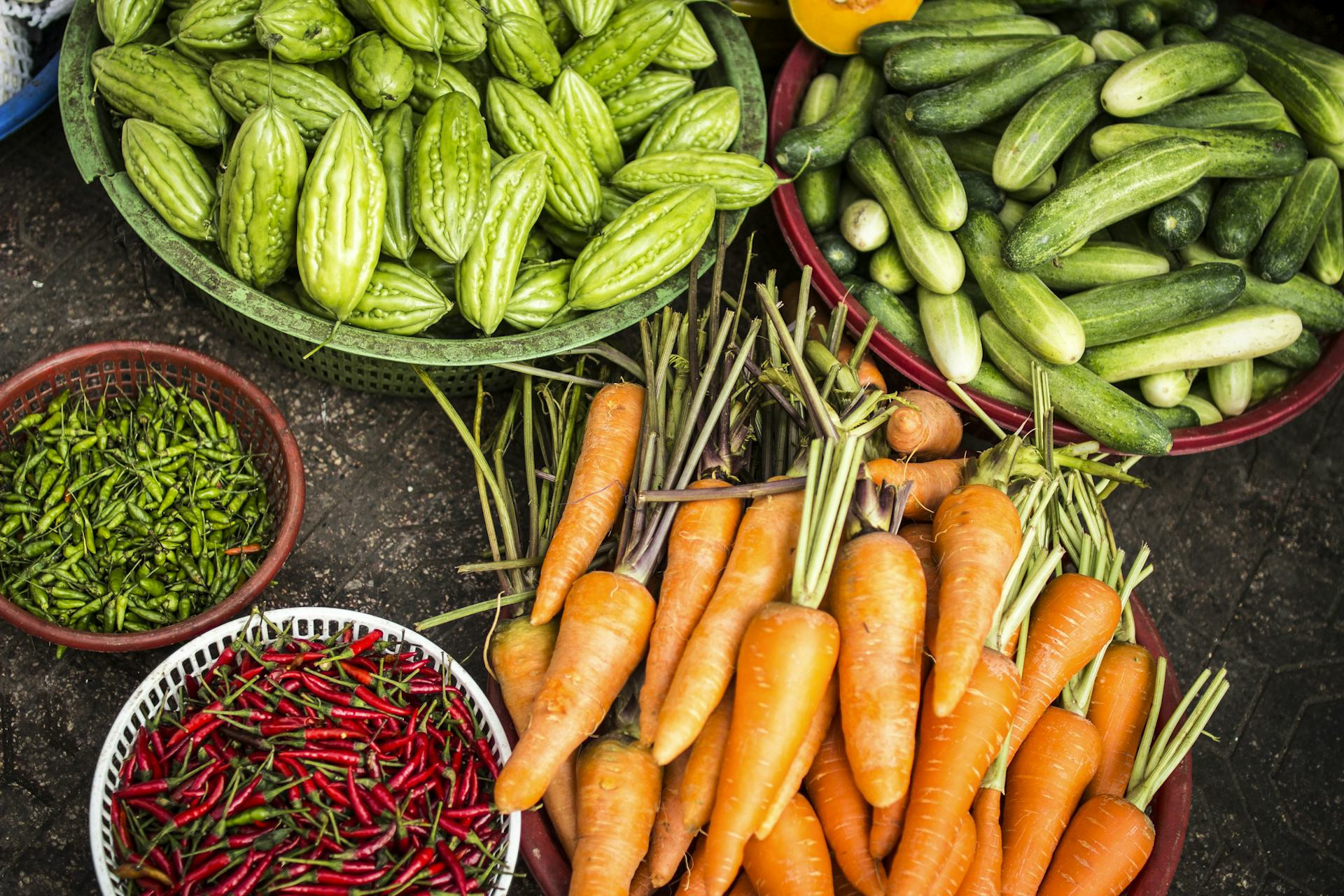
Eat with the Seasons: Plan Your Meals Around Seasonal Produce
Eating with the seasons isn’t just about flavor—it’s about freshness, sustainability, and connection. When you choose produce that’s in season, you’re getting fruits and vegetables at their peak taste and nutrition, often grown closer to home. That means less transportation, a smaller carbon footprint, and better quality. It also makes cooking more exciting, as each season brings new ingredients and inspiration to your table.
Why Eat Seasonally?
Seasonal eating helps you align your meals with nature’s rhythm. Strawberries in summer, pumpkins in fall, and hearty greens in winter—each season offers its own rewards. Produce grown in season typically requires fewer resources like artificial heating or long-distance shipping, making it more eco-friendly and often more affordable.
Nutritionally, seasonal fruits and vegetables are harvested when they’re ripe and full of vitamins and minerals. That freshness translates into better taste and a more balanced diet without much effort.
Spring: Fresh and Green
Spring marks the return of color and light after the winter months. It’s the season of tender greens and crisp flavors.
- Asparagus, peas, spinach, and radishes are among the first to appear.
- Strawberries and rhubarb bring a touch of sweetness to the season.
- Try a spring salad with roasted asparagus, baby greens, and a lemon vinaigrette for a simple, vibrant meal.
Spring is also a great time to fire up the grill again. Vegetables like spring onions, zucchini, and mushrooms develop wonderful flavor when lightly charred.
Summer: Bright, Juicy, and Abundant
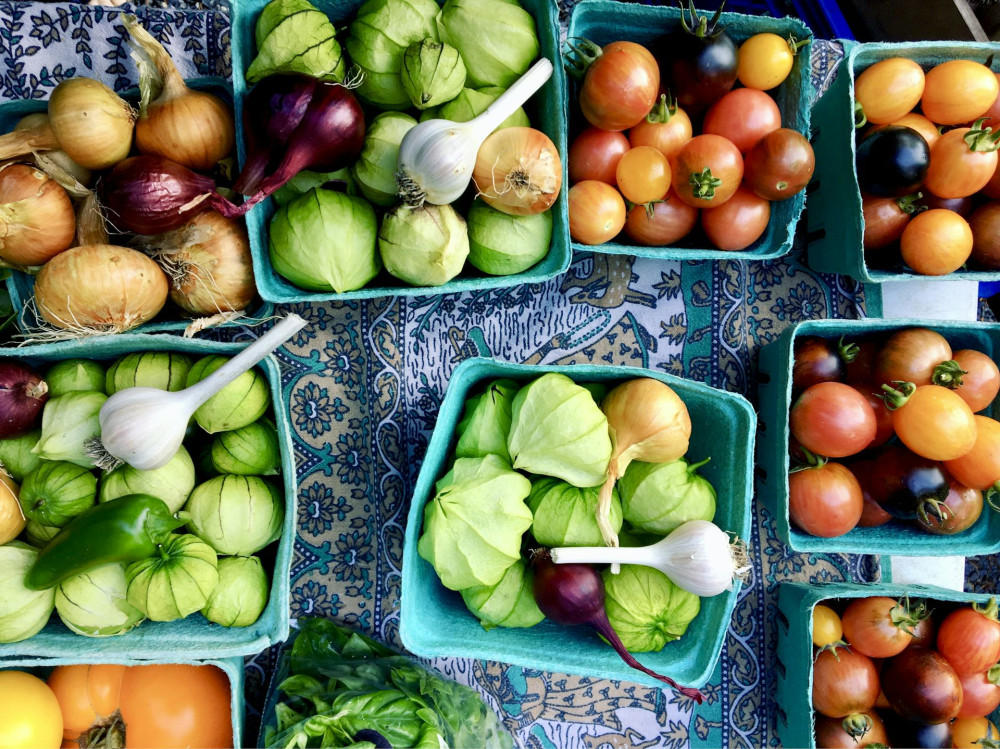
Summer is the peak of the growing season, when farmers’ markets overflow with colorful produce. It’s the time for light, refreshing meals that celebrate the bounty of the land.
- Tomatoes, cucumbers, peppers, and corn are at their best.
- Berries, peaches, and melons make perfect snacks or desserts.
- Make a chilled gazpacho, a fresh pasta salad, or a simple tomato and basil salad with olive oil and sea salt.
Summer is also ideal for outdoor cooking. Grill corn on the cob, eggplant, or zucchini, and serve them alongside grilled fish or chicken for an easy seasonal feast.
Læs også:
Fall: Comfort and Warmth
As the days grow shorter and cooler, our cravings shift toward hearty, comforting dishes. Fall is the season of deep flavors and cozy meals.
- Pumpkins, squash, apples, and sweet potatoes take center stage.
- Mushrooms and root vegetables add earthy richness to soups and stews.
- Try a creamy butternut squash soup with ginger or a roasted vegetable medley with herbs.
Fall is also the perfect time to preserve the harvest. Make apple butter, pickle vegetables, or roast and freeze squash so you can enjoy the season’s flavors all winter long.
Winter: Simple and Nourishing
Winter may bring fewer fresh options, but it’s a time to appreciate the sturdy vegetables that thrive in the cold. With a little creativity, you can make deeply satisfying meals.
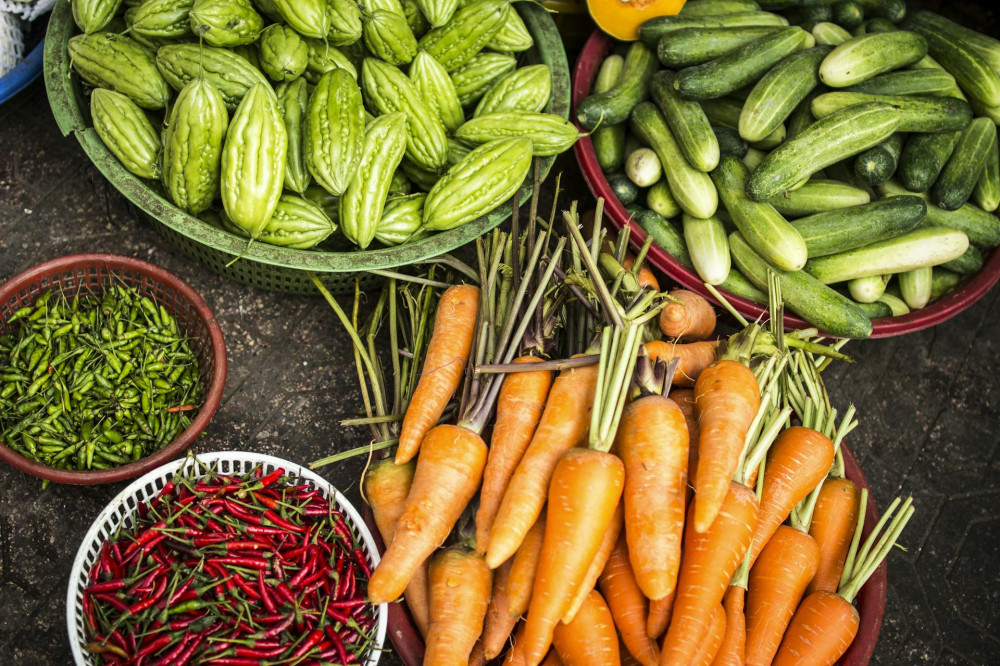
- Cabbage, kale, carrots, and parsnips are winter staples.
- Use them in hearty soups, casseroles, or roasted dishes.
- A kale salad with citrus and toasted nuts adds brightness to the darker months.
Winter is also a great time to rely on pantry staples like beans, lentils, and grains. They pair beautifully with winter vegetables and provide warmth and nourishment when fresh produce is limited.
How to Plan Around the Seasons
Eating seasonally doesn’t have to be complicated. Start by noticing what looks freshest and most affordable at your local grocery store or farmers’ market—those are usually the items in season. Plan your meals around those ingredients instead of sticking rigidly to recipes.
A seasonal produce chart can be a helpful tool to keep in your kitchen. You can also join a local CSA (Community Supported Agriculture) program to receive a box of seasonal produce each week, supporting local farmers while discovering new ingredients.
A Natural Rhythm in the Kitchen
Eating with the seasons brings balance and variety to your diet. It connects you to the natural world, reduces food waste, and encourages creativity in the kitchen. Each season offers its own palette of flavors, textures, and colors—an ever-changing invitation to cook and eat mindfully.
When you plan your meals around seasonal produce, you’re not just eating better—you’re living in harmony with the rhythm of nature. It’s good sense that tastes even better.
Læs også: