Gravesites and Traditions: When Rules Shape Remembrance

Gravesites and Traditions: When Rules Shape Remembrance
When someone dies, the gravesite often becomes the physical place where grief, memory, and love gather. Yet behind the personal touches and floral tributes lies a framework of rules and traditions that shape how Americans remember their dead. From cemetery design to regulations on headstones and decorations, both cultural history and practical concerns play a role. The question is how these rules influence the way we mourn—and how much room they leave for personal expression.
A Space Between Tradition and Change
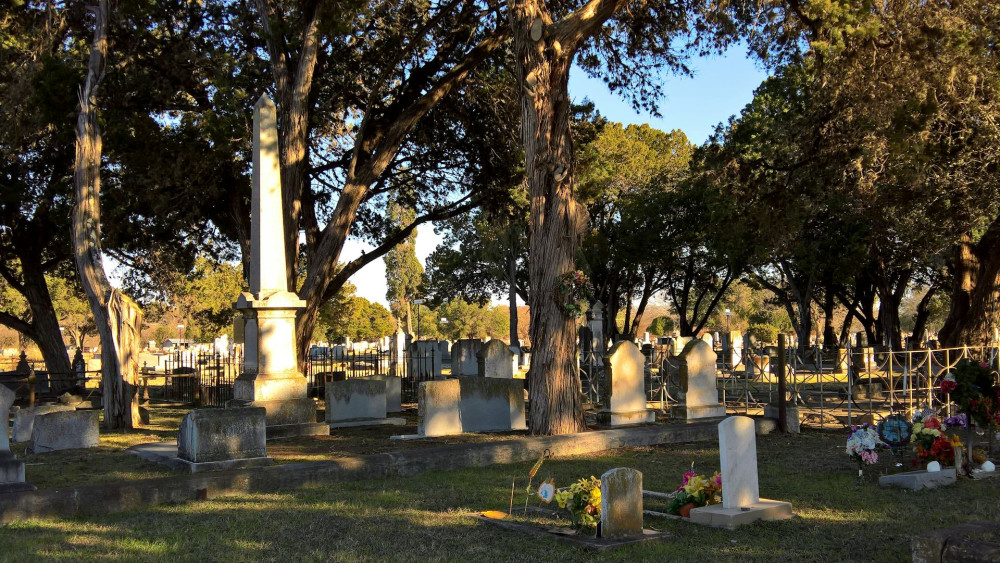
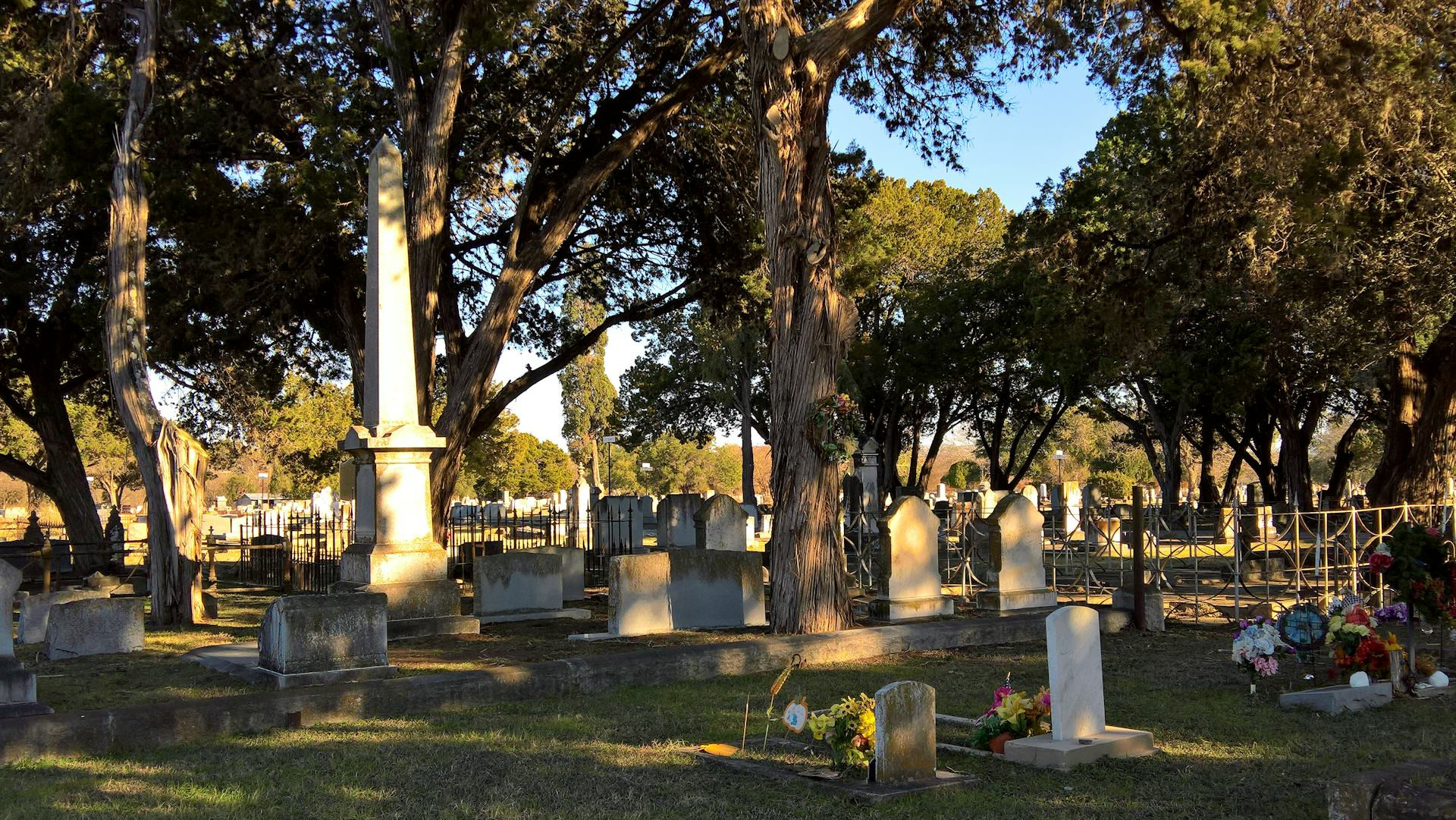
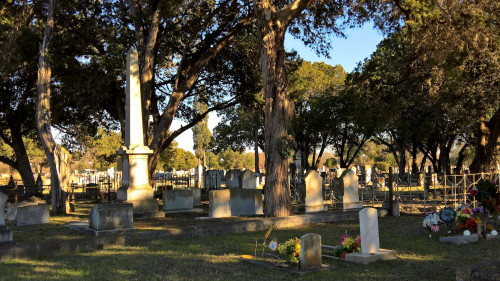
American cemeteries have long reflected faith, community, and continuity. The neatly aligned headstones of churchyards and veterans’ cemeteries speak of order and shared respect. But as society changes, so do our relationships with death and remembrance. Increasingly, families choose alternatives such as cremation gardens, natural burial grounds, or memorial walls that blend into the landscape and require less upkeep.
This shift challenges older norms. Where once a gravestone might reveal family lineage, social standing, or religious identity, today’s memorials often appear more uniform or minimalist. For some, that simplicity feels liberating; for others, it represents a loss of individuality and history.
The Rules That Set the Boundaries
Every cemetery in the United States operates under its own set of regulations, often established by religious institutions, municipalities, or private associations. These rules determine what materials can be used, how large a monument may be, and even what kinds of decorations are allowed. The goal is to maintain a sense of dignity and safety—but the result can sometimes feel restrictive.
For example, many cemeteries limit the size or shape of headstones to preserve a consistent appearance. Families who wish to include unconventional designs, bright colors, or personal symbols may find their ideas curtailed. At the same time, practical concerns matter: heavy stones must be stable, pathways must remain clear, and maintenance crews need access. The rules, then, are not only about aesthetics but also about responsibility and care.
Læs også:

When Rules Meet Grief
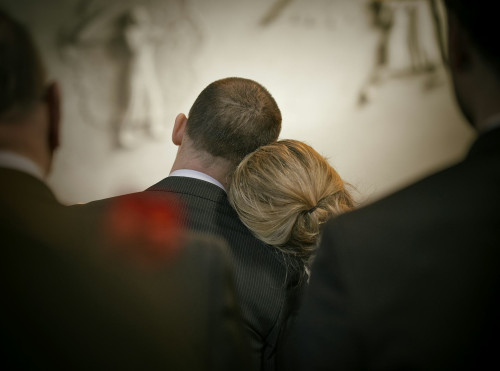
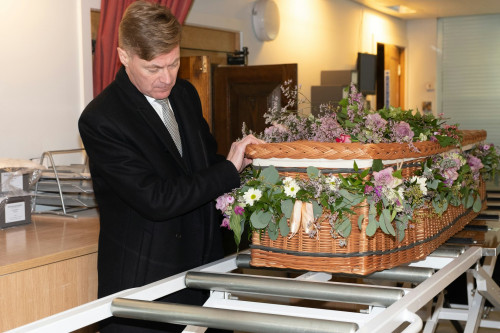
For the bereaved, encountering cemetery regulations can be an unexpected challenge. In the midst of loss, families must make decisions that are both emotional and bureaucratic. The desire to create a deeply personal memorial can clash with requirements for uniformity. Some find this frustrating, feeling that it makes the farewell less intimate; others take comfort in the order and tradition that the rules provide.
Many cemeteries now try to balance these needs. Some offer sections with greater freedom for individual expression, while others create natural or “green” areas where graves blend gently into the environment. In this way, tradition and renewal coexist, allowing families to choose what feels most meaningful.
New Directions in Memorial Culture
As cremation becomes more common—now chosen by a majority of Americans—new forms of remembrance are emerging. Ashes may be scattered at sea, interred in columbaria, or placed in biodegradable urns beneath trees. Digital memorials, where loved ones share stories and photos online, have also become part of modern mourning. These spaces are less bound by physical rules, but they also lack the tangible presence of a gravesite.
This raises a deeper question: do we need a physical place to visit, or can memory live in stories, images, and rituals? For many, the answer is both. A gravesite offers a place to bring flowers and find quiet, while digital spaces allow remembrance to travel across distance and time.
A Shared Responsibility for Memory
Ultimately, gravesites and traditions are about respect—for the deceased, for the living, and for the community. Rules exist not only to limit but to preserve a setting where grief and remembrance can unfold with dignity. Yet those rules must also evolve, reflecting the diversity of beliefs and lifestyles that shape contemporary America.
When rules shape remembrance, the issue is not merely one of regulation or design. It is about how we, as a society, choose to remember. A gravesite is more than a marker in the ground—it is a mirror of our values, our history, and our enduring need to give space to both sorrow and love.
Læs også: