Flowers as a Shared Farewell: How Children and Family Can Take Part in the Choice

Flowers as a Shared Farewell: How Children and Family Can Take Part in the Choice
When someone we love passes away, flowers often become a central part of saying goodbye. They express love, gratitude, and sorrow — and can also be a way for the family to create something beautiful and personal together. But how can children and other family members be included in choosing the flowers, so that it becomes a shared and meaningful process? Here are some ideas for making flowers a comforting point of connection in times of loss.
Flowers as a Language of Emotion
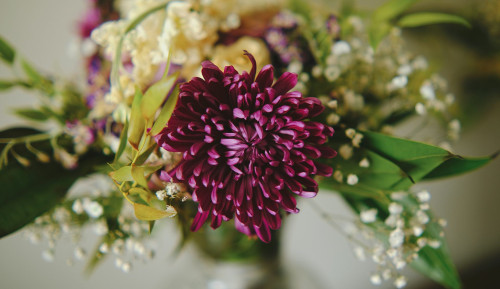
For generations, flowers have been used to express what words cannot. A white lily can symbolize peace and purity, while red roses stand for love and warmth. When a family chooses flowers for a farewell, it’s not just about appearance — it’s about finding colors and shapes that reflect the personality of the person who has passed and the emotions of those left behind.
Talking about flowers can also be a gentle way to begin conversations about death, especially with children. Instead of focusing only on the loss, you can talk about which flowers the person loved, or which colors remind you of them. This makes grief more tangible and gives children a concrete way to take part.
Giving Children a Role in the Process
Children experience grief in different ways, but many need to feel included. Allowing them to help choose flowers, make a small bouquet, or place a single flower at the service can give them a sense of participation and control during a difficult time.
- Let them choose a color or flower that feels special to them — maybe it was Grandma’s favorite, or one that reminds them of a shared memory.
- Create small symbols together, such as a heart made of petals or a drawing to place with the flowers.
- Talk about the meaning as you choose. This helps children understand that flowers are a way to say goodbye — and that it’s okay to show their feelings.
Even very young children can take part if the task is adjusted to their age. What matters most is that they feel seen and included.
Making It a Family Decision
When several family members are involved, it can help to start with the life and interests of the person being remembered. Did she love gardening? Was he happiest by the ocean or in the mountains? The flowers can reflect that — perhaps with wildflowers, greenery, or shades of blue.
Reaching a shared decision can also bring the family closer together in grief. Creating something as a group — something that honors the person and strengthens the bonds between those who remain — can be deeply comforting.
Læs også:


Working with a Florist
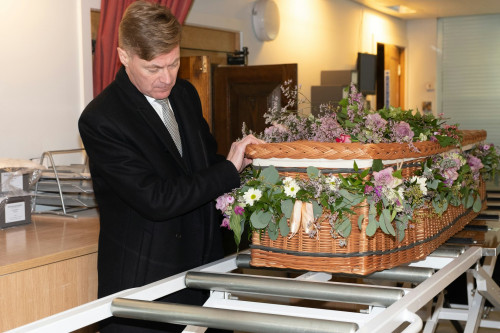
Many florists in the U.S. have experience helping families plan arrangements for memorials and funerals. They can translate your thoughts and feelings into floral designs and often welcome children’s involvement. Some shops may even allow families to visit, see the flowers before they’re arranged, or choose ribbons and cards together.
Let the florist know if you’d like the children to be part of the process. It can make the experience more personal and reassuring for everyone.
A Personal and Healing Goodbye
When flowers are chosen together, they become more than decoration — they become a symbol of love, cooperation, and remembrance. For children, it can be an important part of healing to see how something beautiful can grow from something painful. And for the family as a whole, it can bring comfort to know that the farewell was shaped together.
Choosing flowers for a goodbye is, in the end, about creating a space where both tears and gratitude can coexist. It’s a quiet but powerful way to say: We remember you — together.
Læs også: