Tired After Running? How to Manage Soreness and Fatigue in a Healthy Way


Tired After Running? How to Manage Soreness and Fatigue in a Healthy Way
After a good run, your body can feel both strong and exhausted at the same time. Your legs might feel heavy, your muscles tight, and the soreness may kick in the next day. That’s completely normal — but how you handle recovery makes a big difference in how quickly you bounce back and how much progress you make. Here’s a guide to managing post-run fatigue and soreness in a healthy, sustainable way.
Why You Feel Sore and Tired
Running puts repeated stress on your muscles, tendons, and joints. Especially after longer or more intense runs, tiny microtears form in your muscle fibers. This is a natural part of training — your body repairs and strengthens itself in response, helping you become fitter over time.
The soreness you feel a day or two after running is called DOMS (Delayed Onset Muscle Soreness). It’s not caused by lactic acid, as many believe, but by those small muscle fiber tears and the mild inflammation that follows. It’s a sign that you’ve challenged your body — but also that it needs time and care to rebuild.
Active Recovery – Gentle Movement Helps
Even though it’s tempting to crash on the couch, light movement is actually one of the best ways to ease soreness. Active recovery increases blood flow, helping your body flush out waste products and deliver nutrients to tired muscles.
Try:
- A gentle walk the day after a hard run.
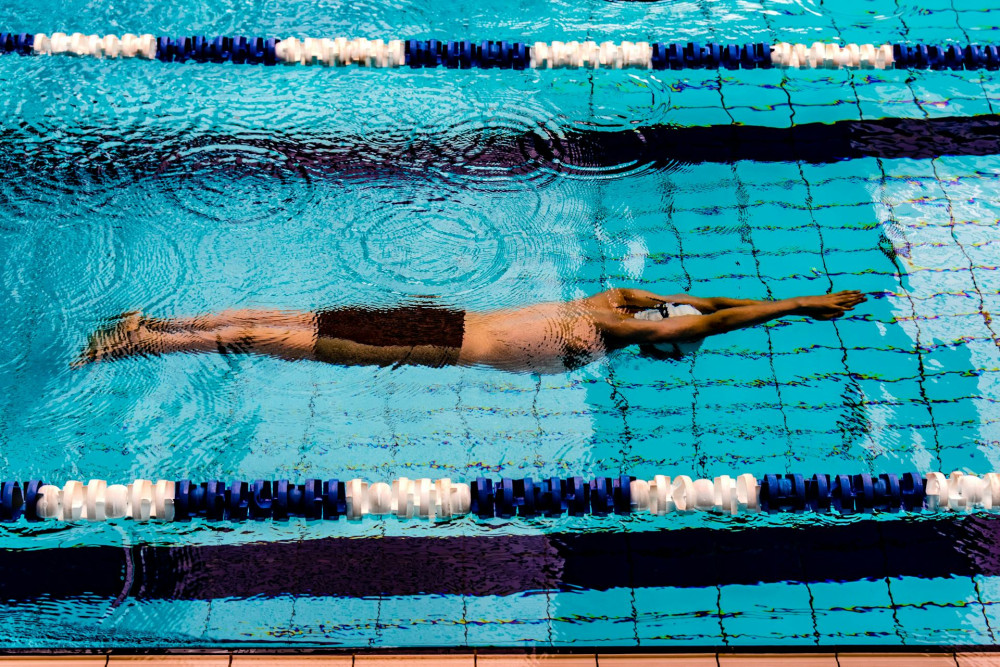
- Cycling or swimming at an easy pace.
- Light stretching or yoga to release tension.
The goal isn’t to train again, but to keep your body moving without adding more strain.
Læs også:



Sleep and Nutrition – Your Body’s Best Recovery Tools
Recovery isn’t just about what you do with your body, but also what you give it. Sleep is one of the most powerful recovery tools — it’s when your body repairs muscle tissue and restores energy stores. Aim for 7–9 hours of quality sleep, especially after long or intense runs.
Nutrition plays a key role too. After running, your body needs:
- Carbohydrates to replenish glycogen stores.
- Protein to repair muscle fibers.
- Fluids and electrolytes to restore hydration balance.
A simple post-run snack like Greek yogurt with fruit and nuts, or a turkey sandwich with veggies, can do wonders if eaten within an hour after your run.
Listen to Your Body – and Plan Rest Days
One of the biggest mistakes runners make is ignoring their body’s signals. If you constantly feel heavy, sluggish, or unmotivated, it could be a sign of overtraining. That doesn’t mean you have to stop running altogether — but it’s a cue to ease up and give your body time to recover.
Schedule rest days into your training week, and alternate between hard and easy workouts. Remember: you get stronger during recovery, not just during the run itself.
Tools and Habits That Make a Difference
There are many ways to support recovery, and even small routines can have a big impact:
- Cold showers or ice baths can help reduce inflammation and soreness.
- Gentle massage or foam rolling improves circulation and loosens tight muscles.
- Compression socks may help reduce swelling and fatigue in your legs.
The key is to find what feels good and works for you. Recovery shouldn’t feel like a chore — it should be a natural, enjoyable part of your training.
When Fatigue Becomes a Warning Sign
Normal post-run tiredness is healthy and expected. But if you experience persistent pain, sleep problems, or ongoing fatigue, it may be a sign that you’re pushing too hard. In that case, take a break and consider consulting a physical therapist or healthcare provider.
Learning to recognize the difference between healthy fatigue and overtraining is essential for becoming a stronger, injury-free runner in the long run.
Make Recovery Part of Your Training
Becoming a better runner isn’t just about running faster or farther — it’s about giving your body the right conditions to adapt and grow. Recovery isn’t wasted time; it’s when your progress actually happens.
So next time you feel that post-run soreness, take it as a sign that your body is working for you. Give it rest, nourishment, and gentle movement — and you’ll be ready to lace up your shoes again, stronger than before.
Læs også: