Sleep Well on the Plane: Tips for Rest No Matter Your Seat or the Time

Sleep Well on the Plane: Tips for Rest No Matter Your Seat or the Time
Getting real sleep on a plane can feel impossible. Between cramped seats, cabin noise, and constant movement, rest often seems out of reach—especially on long-haul flights. But with a bit of preparation and the right strategies, you can improve your chances of getting meaningful rest, no matter where you sit or what time you fly. Here’s how to make your next flight a little more restful.
Prepare Your Body Before Takeoff
Good in-flight sleep starts before you even board. A few small adjustments can help your body relax and adapt to travel.
- Adjust to your destination’s time zone: If you’re flying overseas, start shifting your sleep schedule a few days before departure. Go to bed earlier or later depending on the direction you’re traveling.
- Skip caffeine and alcohol: Both can disrupt sleep and dehydrate you. Stick to water or herbal tea instead.
- Move before boarding: Take a short walk around the terminal or do some light stretching. It helps your body settle once you’re seated.
Choose the Best Seat for Sleep
Your seat can make or break your ability to rest. If you can choose, think about what matters most to you.
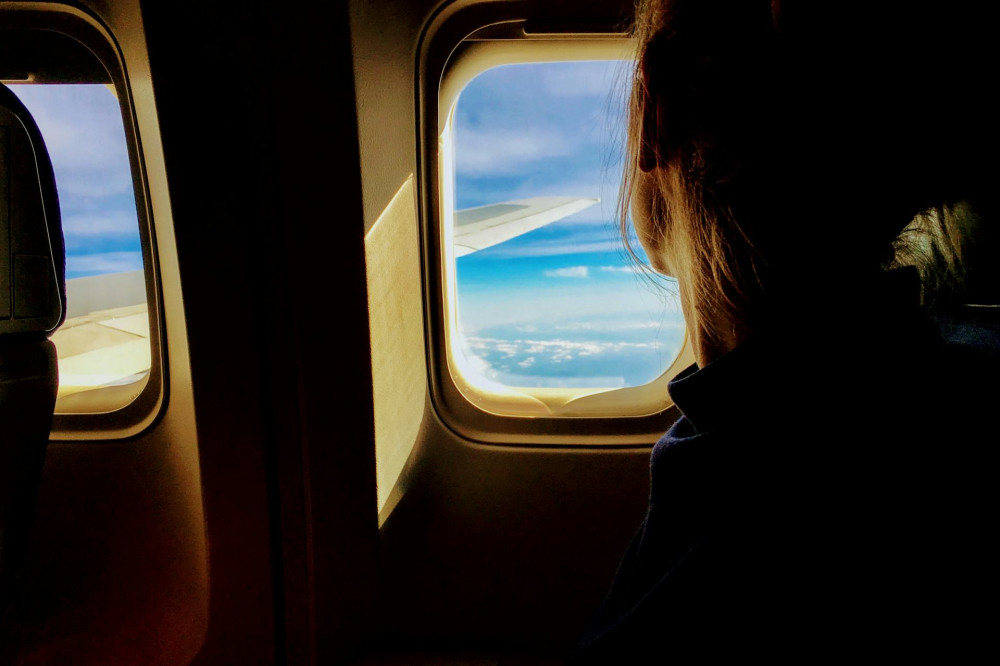
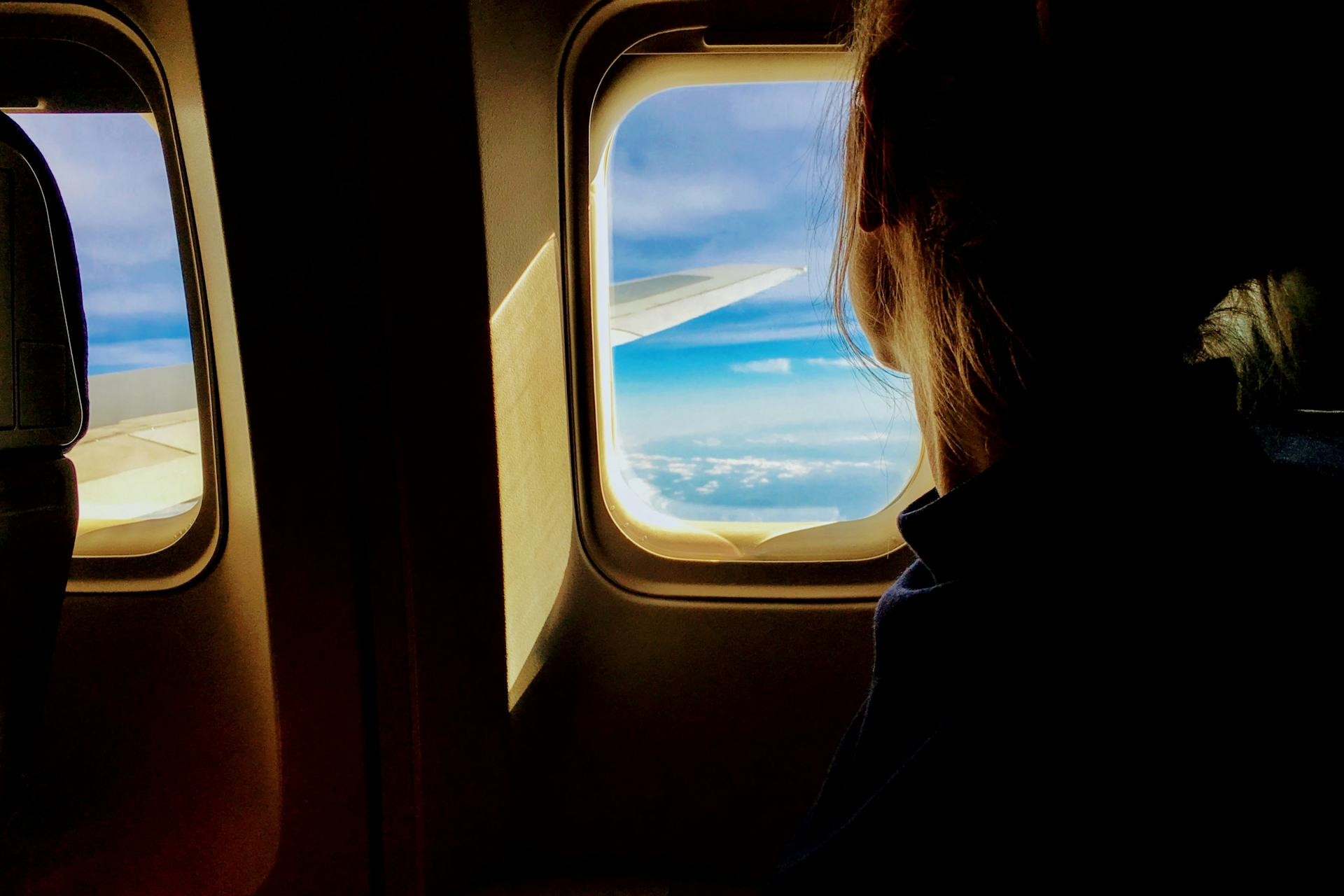
- Window seats let you lean against the wall and avoid being disturbed by others getting up. They’re ideal for longer naps.
- Aisle seats offer more freedom to move but come with more interruptions. Choose one if you like to stretch your legs.
- Front-of-cabin seats are usually quieter, with less engine noise and earlier meal service.
- Avoid seats near restrooms or galleys, where there’s more traffic and light.
Frequent travelers often use online seat maps or review sites to check for legroom, recline, and noise levels before booking.
Create Your Own Sleep Environment
Even in a tight space, you can make your seat feel more restful by minimizing distractions and supporting your body.
- Bring a neck pillow to keep your head stable and prevent stiffness.
- Use an eye mask and earplugs to block out light and noise—essential tools for signaling your body that it’s time to rest.
- Pack a blanket or large scarf to stay warm, since cabin temperatures often drop mid-flight.
- Wear loose, layered clothing so you can adjust easily to temperature changes.
If you struggle to relax, try listening to calming music, white noise, or nature sounds—many airlines include these in their entertainment systems.
Læs også:



Find a Comfortable Sleeping Position
You may not be able to lie flat, but you can still find a position that supports your body and helps you drift off.
- Recline your seat as much as possible without bothering the person behind you. Even a slight tilt eases pressure on your back and neck.
- Keep your feet flat on the floor or use a small footrest to improve circulation.
- Support your arms with a rolled-up sweater or blanket to relax your shoulders.
- Avoid leaning on the tray table, which can strain your neck.
If you’re on an overnight flight, try to mimic your usual sleeping posture as closely as possible—your brain will recognize the cues that it’s time to sleep.
Manage Light and Rhythm
Light strongly influences your body clock, so use it to your advantage.
- Wear sunglasses or an eye mask when cabin lights come on if you’re still trying to sleep.
- Open the window shade when you’re ready to wake up—natural light helps your body adjust to the new time zone.
- Avoid screens right before trying to sleep. The blue light from phones and tablets keeps your brain alert.
On long flights, plan for short naps instead of trying to sleep the entire way. Even 30–60 minutes of rest can make a big difference.
After Landing – Reset Your Body
Once you arrive, help your body adjust quickly to local time.
- Get outside into daylight as soon as possible—it helps reset your internal clock.
- Stay hydrated and eat light meals to avoid sluggishness.
- Try to stay awake until local bedtime, even if you’re tired. It’ll make your first night’s sleep more restorative.
If you travel across time zones often, consider using a jet lag app to plan your sleep and light exposure for faster adjustment.
Rest Easy—Even at 35,000 Feet
Sleeping on a plane takes some planning, but it’s far from impossible. With the right seat, a few comfort essentials, and mindful preparation, you can get real rest—even miles above the ground. You’ll arrive feeling more refreshed, alert, and ready to make the most of your destination.
Læs også: