Digital Assistants Are Taking Over – How They’re Becoming a Natural Part of Everyday Life

Digital Assistants Are Taking Over – How They’re Becoming a Natural Part of Everyday Life
Digital assistants are no longer just a futuristic idea from sci-fi movies. They’ve moved into our phones, speakers, cars, and even kitchen appliances. From playing music and adjusting the thermostat to managing grocery lists and calendar reminders, voice-controlled helpers like Siri, Alexa, and Google Assistant have become part of daily life for millions of Americans. But how are they becoming such a natural presence—and what should we keep in mind as they become more deeply integrated into our routines?
From Novelty to Everyday Helper
When digital assistants first appeared, many people used them mainly for fun—asking silly questions or testing how “smart” they were. Today, artificial intelligence has made them far more capable. They can recognize voices, understand context, and adapt to individual users.
That means they can handle real tasks: reminding you to take medication, suggesting the fastest route to work, or turning on the lights before you get home. For many, these assistants have become an invisible helping hand that makes everyday life a little smoother.
At Home – When Technology Moves In
Smart home technology has turned digital assistants into the central hub of many American households. With a few simple voice commands, you can control lighting, temperature, music, and even security systems. It’s not just about convenience—smart systems can also help save energy by learning your habits and adjusting automatically.
For older adults or people with disabilities, voice control can be a genuine lifeline. It allows them to make calls, read messages aloud, or control devices without needing to move around or use their hands.
If you’re just getting started, begin small: a smart speaker, a connected light bulb, or a thermostat that works with your assistant. The key is to choose technology that fits your lifestyle—not the other way around.
Læs også:

At Work – A New Kind of Coworker
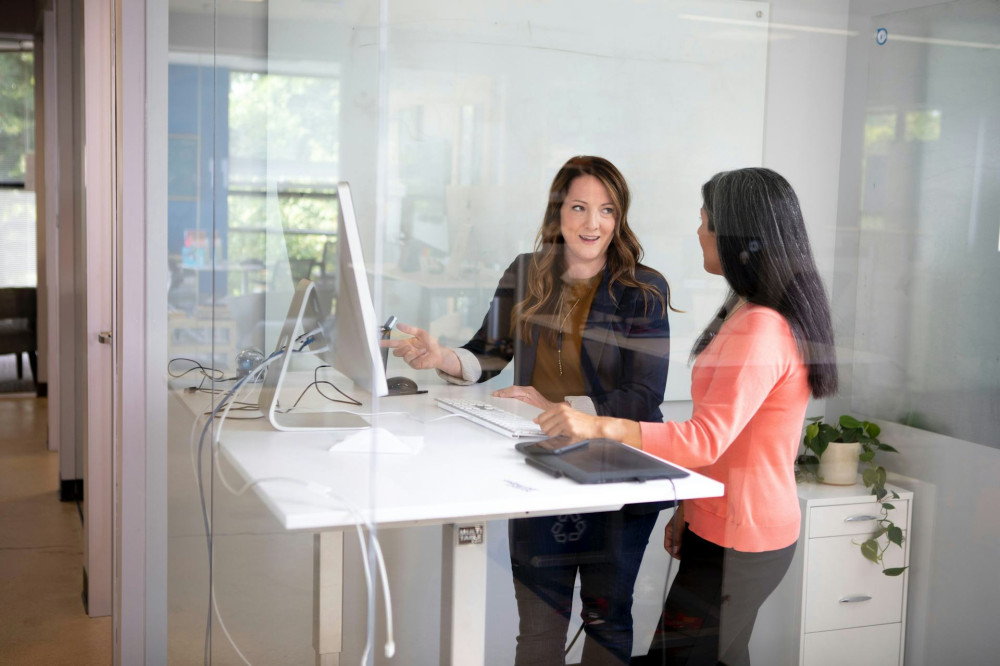
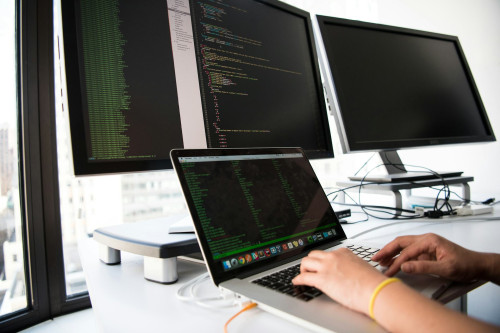
Digital assistants are also finding their place in the workplace. They can schedule meetings, take notes, find files, or translate emails. As remote and hybrid work have become more common, these tools help people stay organized and focused.
Some companies are even developing their own internal assistants that can answer questions about HR policies, inventory, or project updates. By automating routine tasks, they free up time for more creative and strategic work.
Privacy and Trust – The Invisible Challenge
Whenever a device is listening, the question naturally arises: who else might be listening? Most assistants only activate when you say a specific “wake word,” but their microphones are technically always on standby. That requires trust—and awareness of how your data is being used.
It’s worth reviewing privacy settings regularly. Many assistants allow you to delete recordings, mute the microphone, or limit data sharing. Taking a few minutes to adjust these settings can help you stay in control of your personal information.
The Future – More Personal, Yet More Invisible
The next generation of digital assistants will be even more integrated into our lives. They’ll understand tone, emotion, and context—and may even anticipate needs before we express them. Instead of talking to a single device, we’ll interact with technology embedded in everything from our cars to our refrigerators.
But for this technology to feel natural, it must remain helpful rather than intrusive. Transparency, respect for privacy, and the ability to opt out will be essential for building trust.
A New Relationship Between People and Technology
Digital assistants are more than just tools—they represent a new way of interacting with technology. Used wisely, they can save time, reduce stress, and make daily life more seamless. But they also require us to think carefully about how and when we want them to help.
Digital assistants are taking over—but it’s still up to us to decide how we want them to fit into our lives.
Læs også: