Build with Care: Plan a Sustainable and Resource-Efficient Construction

Build with Care: Plan a Sustainable and Resource-Efficient Construction
Building a new home or renovating an existing one is a major decision—financially, practically, and environmentally. The construction industry accounts for a large share of global resource use and carbon emissions, but it also holds tremendous potential for positive change. With thoughtful planning, you can create a building that is not only beautiful and functional but also sustainable, energy-efficient, and built to last. Here’s how to approach your project with care—from the first sketch to the finished structure.
Start with the Big Picture – and Think Long Term
Sustainability begins in the planning phase. It’s not just about choosing eco-friendly materials; it’s about considering the entire life cycle of the building—from construction and operation to maintenance and eventual deconstruction.
Ask yourself:
- How much space do I really need? Smaller buildings often mean lower energy use and fewer materials.
- How can the design take advantage of natural light, wind, and the local climate?
- Can the layout be flexible, allowing the building to adapt over time instead of being torn down?
The earlier you integrate sustainability into your plans, the easier and more cost-effective it will be to implement.
Choose Materials with a Low Environmental Impact
Material selection plays a major role in a building’s overall footprint. Traditional materials like concrete and steel require large amounts of energy to produce. Exploring alternatives can make a big difference.
- Wood is a renewable resource that stores carbon and can be used for both structure and finishes.
- Reclaimed materials—such as brick, flooring, or doors—add character while reducing waste.
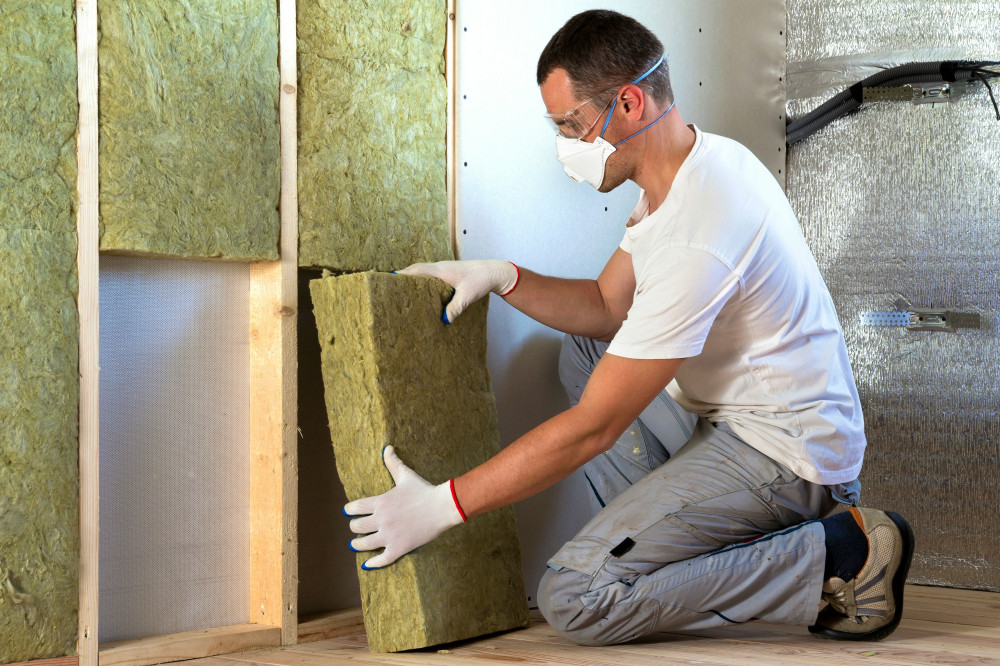
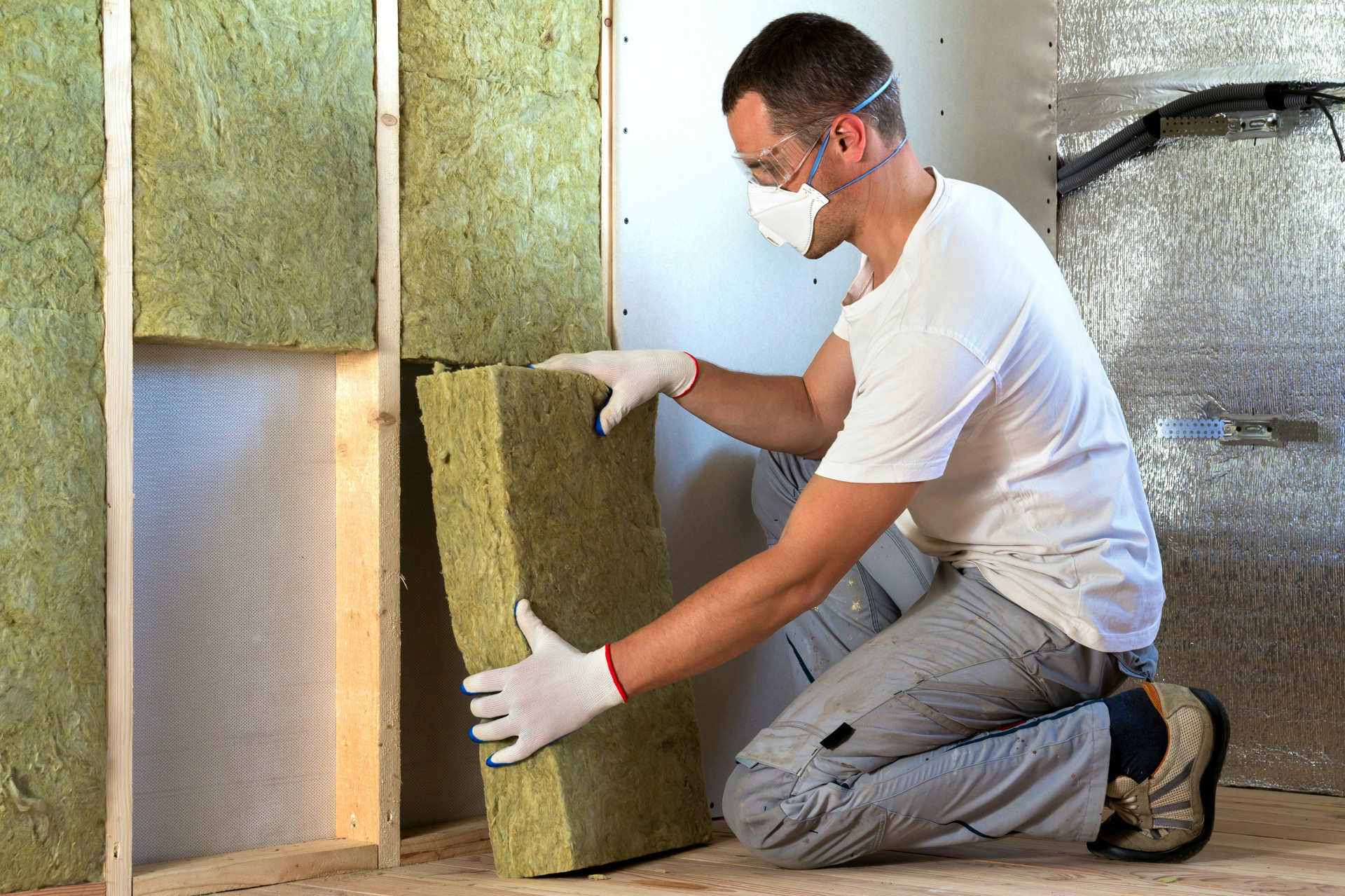
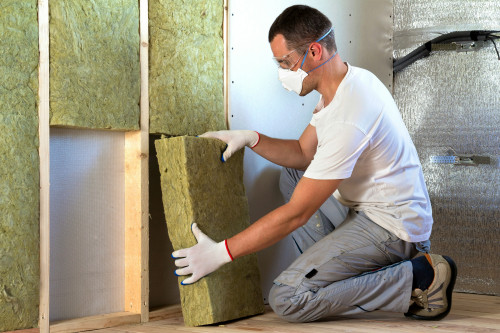
- Natural-fiber insulation made from hemp, cellulose, or wool offers good indoor air quality and low environmental impact.
- Certified sustainable products (for example, those with FSC or Cradle to Cradle labels) make it easier to choose responsibly.
Also consider how materials can be disassembled and reused in the future. A building designed for reuse is one that’s built with the future in mind.
Energy and Indoor Comfort – Build for Efficiency and Well-Being
Energy efficiency isn’t just about saving on utility bills—it’s about creating a comfortable, healthy indoor environment. Smart design choices can help you achieve both.
- Passive solar design—large south-facing windows and proper insulation can reduce heating needs.
- Natural ventilation—use airflow and temperature differences to maintain fresh air without excessive energy use.
- Renewable energy systems such as solar panels or heat pumps can cover much of your energy demand and cut emissions.
- Energy-efficient appliances and lighting make a big difference over time.
A good indoor climate depends on more than technology—it’s also about moisture control, daylight, and the right materials. Prioritizing these factors benefits both your health and your home’s long-term value.
Water and Resources – Design for Circular Use
Sustainability also means using resources wisely. Water conservation is key, and there are many ways to reduce consumption:
- Install low-flow fixtures and dual-flush toilets.
- Collect rainwater for irrigation or toilet flushing.
- Consider green roofs or rain gardens to manage stormwater and support biodiversity.
Plan for waste reduction from the start. A well-organized sorting system on the construction site makes it easier to recycle materials and minimize landfill waste.
Læs også:
Work with the Right Professionals
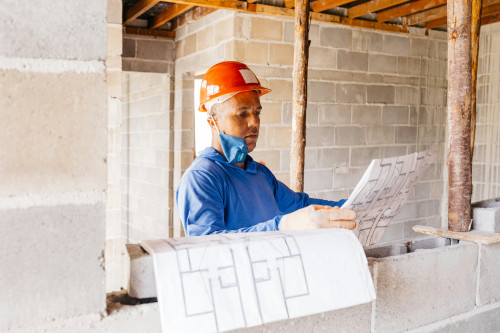
Sustainable construction often requires collaboration across disciplines. Architects, engineers, and contractors can help you find solutions that are both functional and environmentally responsible. Choose partners with proven experience in green building and ask for documentation of their methods.
You might also consider pursuing a green building certification such as LEED, ENERGY STAR, or the Living Building Challenge. Certification provides a recognized standard of quality and can increase your property’s value.
Think Beyond Construction – Operation and Maintenance
A sustainable building doesn’t stop being sustainable once it’s built. Daily operation and maintenance have a major impact on its long-term performance. Make sure to:
- Maintain mechanical systems regularly.
- Adjust energy management to fit occupants’ needs.
- Use eco-friendly cleaning products and repair materials.
A well-maintained building lasts longer—and longevity is one of the most important aspects of sustainability.
Building with Care Is Building for the Future
Sustainable construction isn’t just about cutting energy use or lowering emissions. It’s about creating spaces that are healthy, adaptable, and durable—for people and the planet alike. When you plan with care, you invest in the future: in a home that will stand strong for generations, and in a world that can continue to sustain us all.
Læs også: